





Start with repeatable calls that have a clear result, such as booking a meeting, recording a callback request, explaining office hours or checking which documents a client should bring. Advice, recommendations and suitability decisions should stay with authorised staff.
Look for a stable process, a defined data boundary, an agreed handover point and a staff member who owns the result. If the correct response depends on personal advice or professional judgement, the call should move to a person.
The assessment should separate approved factual information and administration from questions that depend on personal circumstances or a recommendation. Product comparisons, personal recommendations and suitability decisions remain with appropriately authorised staff.
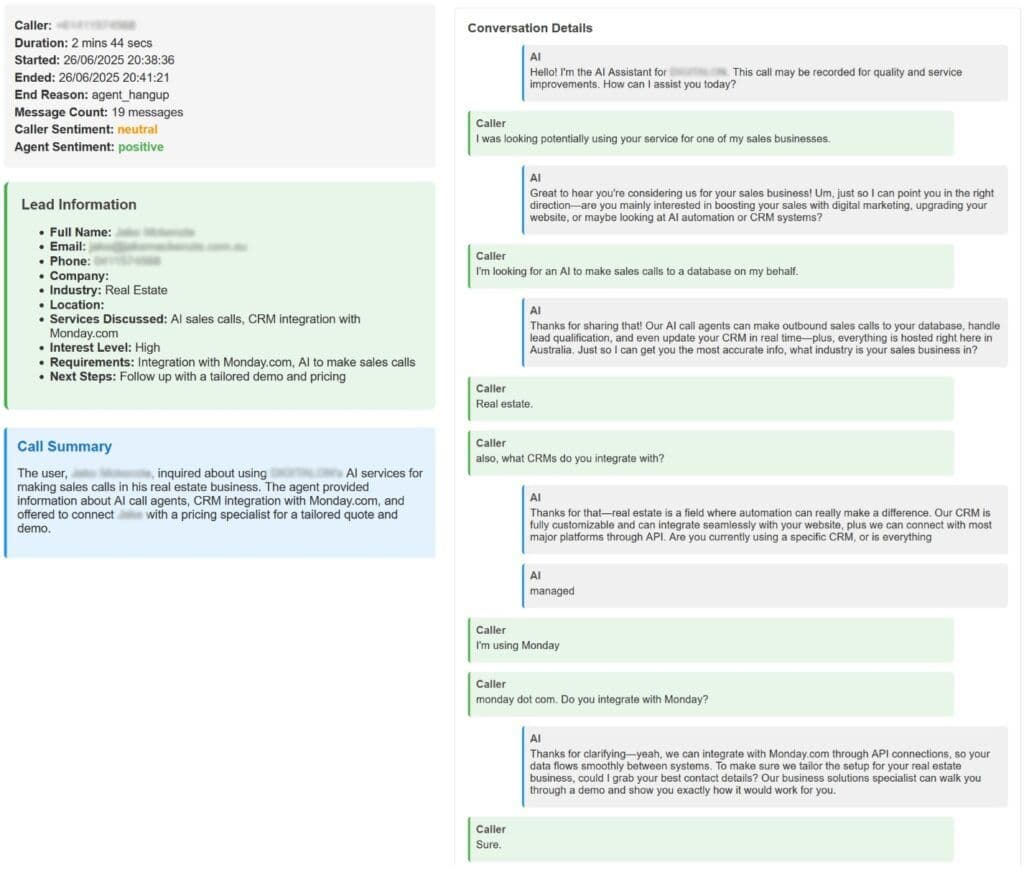
AiDial can collect administrative details such as the service requested, location, preferred contact time and whether the caller is an existing client. It should record the caller's needs in their own words without deciding whether a product or strategy is suitable.
Yes. New enquiries can follow an intake and booking flow, while existing clients can be routed to service, claims, lending or adviser-support teams. Identity checks can be added before any account-specific action.
Confirm whether the current provider supports the required forwarding or routing, when the AI should answer and whether a separate service number is needed. These details belong in the assessment because they affect both caller experience and rollout effort.
Ask for confirmation of API access, permitted fields, read and write actions, identity requirements, audit records and failure handling. A proposed connection should not be treated as suitable until the required action has been tested.
It should identify the call types worth automating, the calls that must stay with staff, the systems and data involved, the main risks and the owner of each result. That gives the business a defined scope before implementation timing is estimated.
The call flow uses approved facts, scripts and stop points. Questions involving a recommendation, the caller's objectives or personal circumstances are transferred or recorded for an authorised team member.
Review the notice required for each call type and decide what should happen if the caller declines recording or transcription. The assessment should document whether the call continues without recording, transfers to staff or follows another approved path.
Australian hosting is available for scoped projects. The final design should also document which recordings, transcripts and reports are retained, who can access them and how long they are kept.
List the identifiers expected in each call type, then verify which supported patterns can be tested, including TFNs, BSBs, account numbers and contact details. Redaction is a secondary control and does not replace collecting only the information the workflow needs.
Identity checks can be included where the connected system and business policy support them. If a caller cannot be matched safely, AiDial should take a message or transfer the call rather than disclose protected information.
Test what the proposed workflow does when a connected system, adviser or transfer destination is unavailable. A suitable design should take a callback request, transfer or create a staff task without confirming an action that did not succeed.
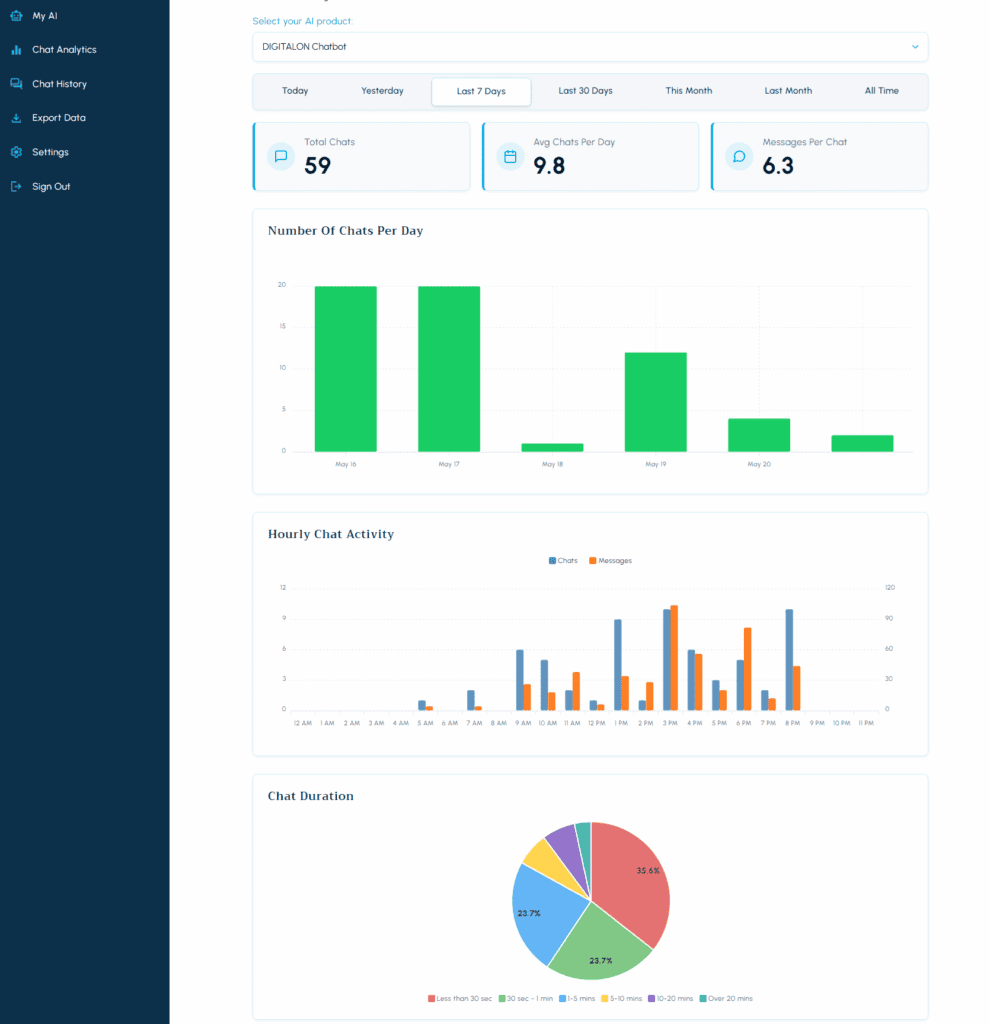
Review completion rates, correct handovers, caller drop-off, data quality and the number of calls that required staff correction. Those results show whether the workflow is ready to expand or needs tighter boundaries.
No. It is intended to handle repetitive reception work and give staff a clearer starting point. Advisers and client-service teams remain responsible for advice, judgement, exceptions and sensitive conversations.