It is software that answers or places configured calls, follows approved call logic and records a structured outcome. It transfers to staff or stops when the call reaches a boundary outside that logic.
Overflow, reminders, booking requests, service-status enquiries and callback capture are common starting points. The queue needs clear answers, destinations and failure rules.
Yes, for an approved workflow and contact list. The project must also define consent, calling hours, do-not-call handling and what the agent should do after each outcome.
Concurrent capacity is selected in the telephony and project design. Use measured peak traffic and test the intended capacity before increasing it.
The project can combine caller intent, hours and available destinations. Every route also needs an alternative for unavailable staff or a failed transfer.
The agent follows the configured transfer or callback path and provides the permitted context already collected. It should not argue with a caller who wants staff assistance.
Retry behaviour can be configured where appropriate, but the schedule, attempt limit and stop conditions must be approved for the campaign.
Often, existing numbers can route to AiDial for selected queues or times. Outbound presentation and inbound forwarding depend on the carrier and telephony design.
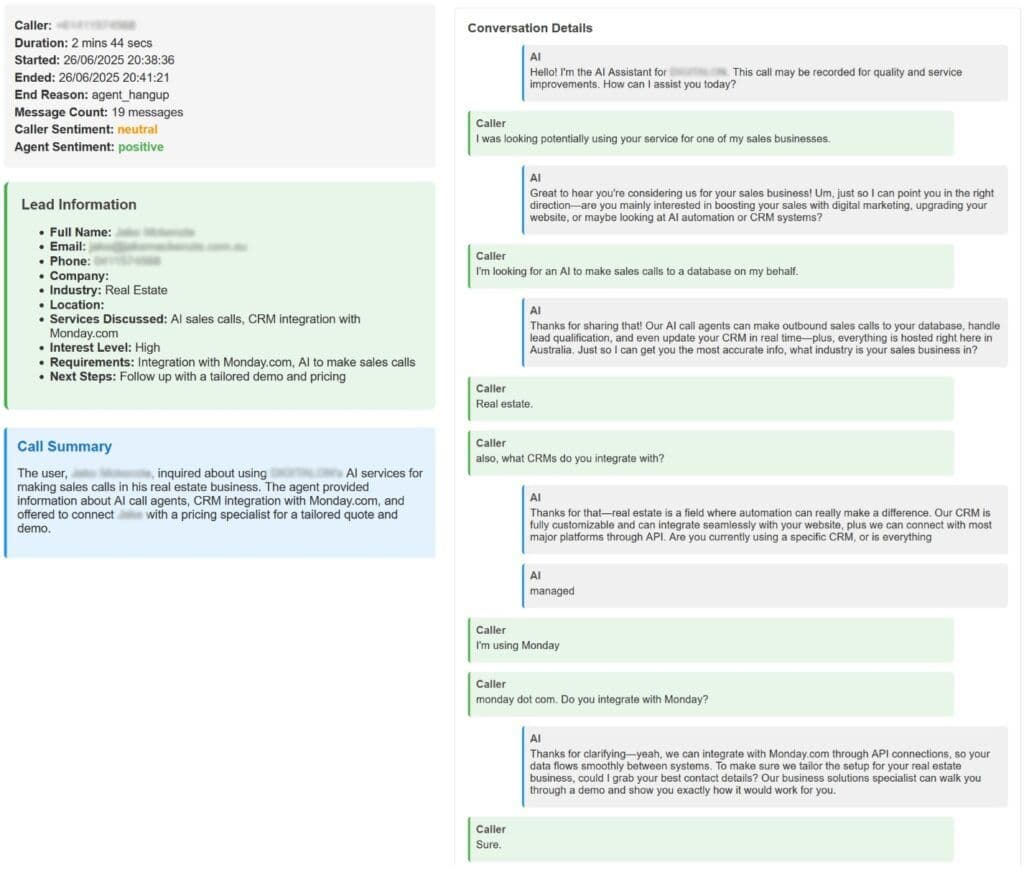
Define outcomes that staff can act on, such as confirmed, message taken, transfer completed, voicemail, no answer, declined and manual follow-up. Avoid a single generic completed status.
AiDial can use Australian runtime and storage for a scoped deployment. The project record should specify which artefacts are retained and the storage and deletion settings for each one.
Yes. Recording and transcription are separate project settings. The call flow follows the consent and fallback rules selected for that use case.
Configured redaction can mask supported identifiers in retained text. The workflow should still avoid asking for information that is unnecessary for the call objective.
A supported connector can write approved fields to a CRM, booking platform or helpdesk. The mapping should preserve the difference between an attempt and a confirmed action.
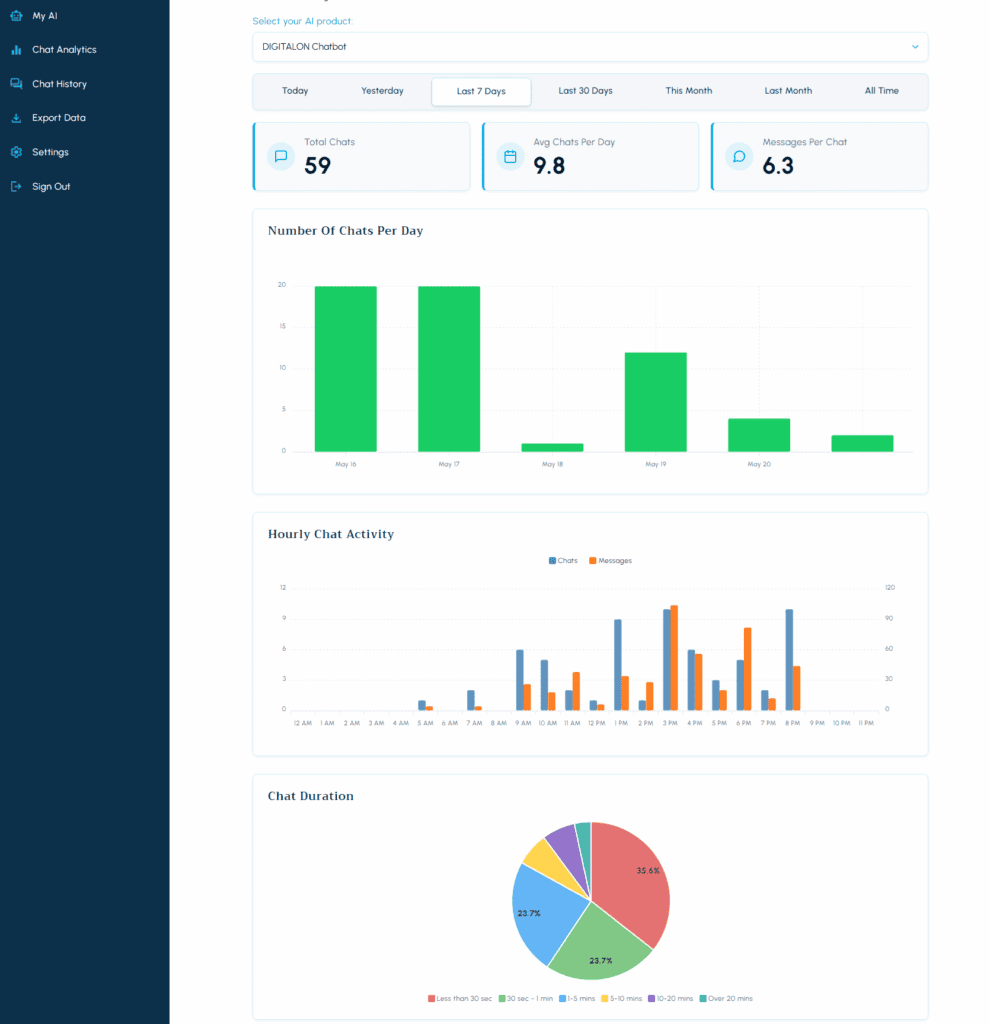
Review answer rates, outcome distribution, transfers, failed tools, caller drop-off and records that staff corrected. These measures reveal operational problems that a conversation score may miss.
Timing depends on the number of call paths, telephony changes, integrations and acceptance cases. AiDial confirms the schedule after reviewing those inputs.
Usage, concurrent capacity, outbound requirements and integration work affect the scope. Current standard plans are published on the AiDial pricing page.