Improving outcomes for students with special needs starts with a clear focus on each learner, using individualised plans that match strengths and challenges and applying evidence based interventions that optimise progress, while practical assistive technology and simple classroom adaptations remove barriers to participation; equally important are targeted teacher training, dedicated support roles and collaborative care models that build consistent practice, and strong family and community engagement that sustains gains beyond the school day. Measuring progress through regular assessments and data driven continuous improvement helps schools refine programs and demonstrate impact, and modern tools can reduce teacher administration time, streamline communication and capture timely insights. AiDial AI voice solutions offer a practical way to support these workflows by automating routine calls, collecting structured data and freeing educators to focus on teaching, all with Australian data sovereignty so student information is processed and stored exclusively on Australian soil to meet privacy, security and compliance expectations and build trust with families and regulators.
Understanding the Needs: Individualised Approaches to Special Needs Education
Effective individualised approaches begin with thorough, multi-dimensional assessment that captures academic, social, emotional and functional skills. Schools benefit from a strengths-based framework that identifies what a student can do and uses that as the foundation for goal setting, rather than only documenting deficits. Assessment should draw on observations, standardised measures, teacher insights and family perspectives to form a holistic view. Practical tools that reduce paperwork and make observations easier to record are essential; AiDial’s AI voice solutions let educators capture spoken observations and parent interviews quickly, turning them into searchable transcripts and structured notes. Because these recordings and transcripts are processed and stored under Australian Data Sovereignty, schools maintain control over sensitive information and meet privacy and compliance expectations from state education departments and families, building trust while streamlining the assessment workflow.
Individualised Education Plans work best when goals are specific, measurable and regularly reviewed, with supports that can be adapted as the learner progresses. Teachers need time to trial differentiated strategies, monitor fidelity and adjust scaffolds, from assistive technology to classroom adaptations. AI tools can reduce the administrative burden of tracking progress by automating check-ins, summarising observational data and flagging when a student is off-track so teachers can respond sooner. AiDial’s voice-enabled workflows enable faster logging of progress during lessons or therapy sessions, freeing staff to focus on instruction. Crucially, Australian Data Sovereignty ensures that sensitive student records and voice data remain within local jurisdictions, supporting compliance with child protection frameworks and giving families confidence that their child’s information is handled securely and transparently.
Individualised approaches require strong coordination across teachers, therapists, school leaders and families, particularly during transitions between year levels or schools. Regular, accessible communication keeps everyone aligned and supports consistency in implementation. Culturally responsive practice and language-accessible engagement are vital for many Australian families; tools that capture conversations, translate intent and provide clear summaries help bridge gaps. AiDial’s AI voice solutions support consistent record-keeping of meetings and care plans and can be configured to respect local linguistic needs and Australian classroom contexts, making handovers smoother. By processing and storing communication under Australian Data Sovereignty, schools reassure families and partner agencies that personal information remains protected onshore, which supports ethical collaboration and preserves trust throughout a student’s learning journey.
Evidence-Based Interventions That Optimise Learning Outcomes
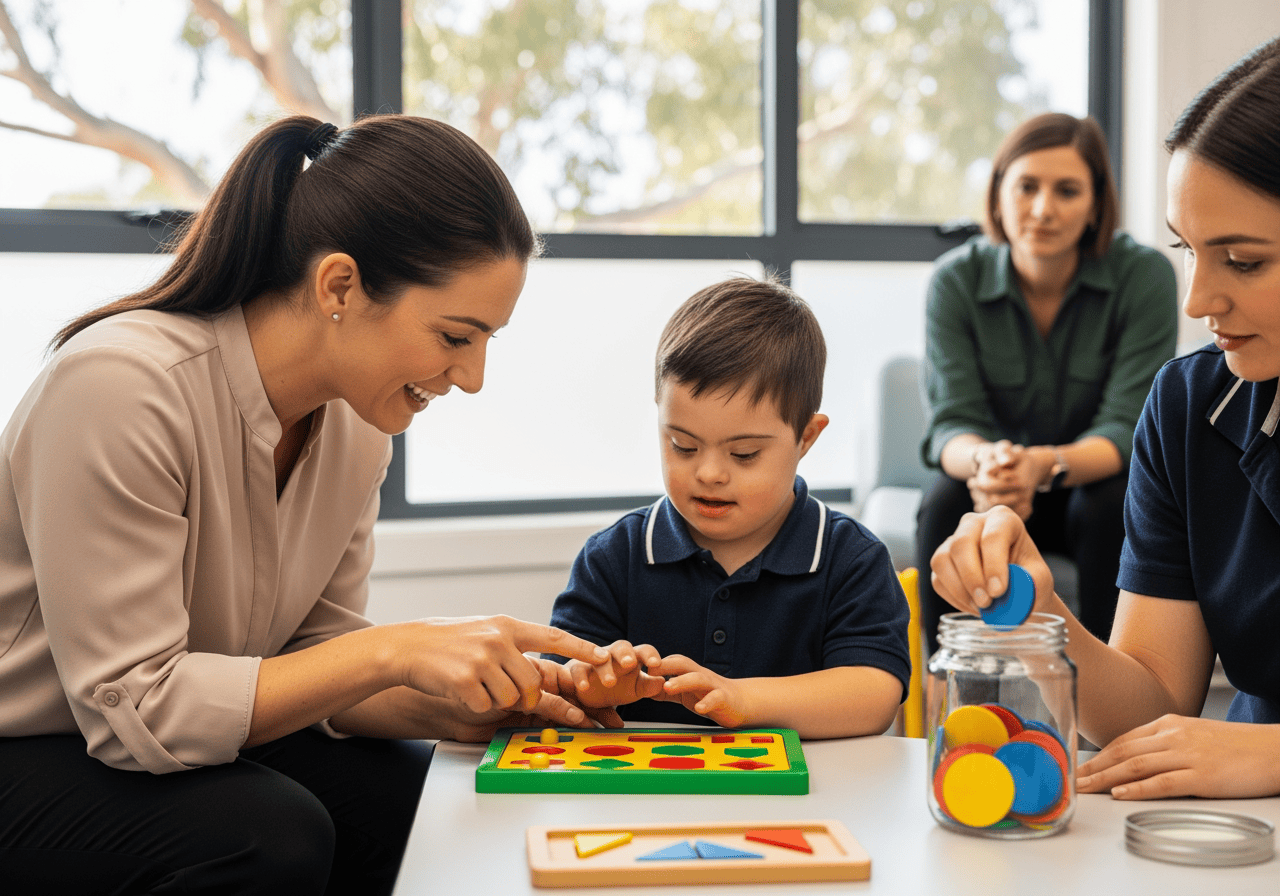
Evidence-based interventions start with a precise assessment of each learner to identify the specific skill gaps and strengths that matter for functional progress. Programs such as explicit instruction, structured literacy approaches, systematic instruction for numeracy, applied behaviour support and task analysis have strong evidence when delivered with intensity and fidelity. Practical classroom techniques like scaffolding, visual schedules, multisensory teaching and augmentative and alternative communication ensure access and reduce cognitive load, while individualised short-term objectives and frequent progress checks keep teams focused on measurable gains.
Central to optimisation is continuous monitoring: regular formative assessment, quick probes and simple data dashboards tell teachers which approaches are working and where to intensify support. Reducing teacher administration time around data collection and family communication is critical to sustaining high-fidelity intervention. AiDial’s AI voice solutions can automate routine progress calls, capture spoken observations from staff and families, and transcribe those interactions into structured records, so schools retain rich, timely evidence without adding paperwork. Because these voice interactions are processed and stored under Australian Data Sovereignty, schools maintain compliance with privacy obligations and build trust with families and regulators.
Successful implementation also requires training, coaching and collaborative problem solving so interventions are applied consistently across classrooms and supported at home. Technology that integrates with existing student information systems and streamlines consent, reminders and follow-ups makes scaling interventions feasible and cost effective. AiDial supports this implementation layer by automating follow-up communications, logging intervention contacts and providing analytics that highlight implementation gaps, enabling teams to act sooner. Keeping all data processing and storage on Australian soil reassures school leaders that student information remains secure, local and governed by familiar legal frameworks, which in turn fosters greater parent engagement and sustained student outcomes.
Assistive Technology and Classroom Adaptations for Accessibility
Augmentative and Alternative Communication tools are vital for learners with complex communication needs, offering picture boards, speech generating devices and text to speech systems that enable participation across the school day. When these tools are paired with AI voice supports, students gain more natural, responsive interactions and teachers receive immediate prompts for scaffolding and reinforcement. AiDial’s AI voice solutions can extend AAC by providing voice enabled check ins, scripted prompts and automated verbal cues that complement human support, while reducing the need for repetitive teacher labour. Crucially, when voice interactions, personalisation settings and usage data are processed and stored under Australian Data Sovereignty, schools can confidently meet privacy and child safety expectations, involve families in consented voice profiles and maintain local control of sensitive student information, which builds trust and simplifies compliance with education and health governance.
Adaptive learning platforms that tailor content to individual needs are more effective when they include reliable audio paths such as text to speech, speech to text and personalised voice feedback. These features help students with literacy, auditory processing and attention differences to access curriculum content and receive immediate, actionable guidance. AI driven voice solutions can generate spoken explanations, read assessment items and capture verbal responses for later review, which reduces marking load and allows teachers to target interventions. AiDial’s technology can automate routine verbal assessments and provide aggregated insights to inform Individual Education Plans, while storing transcripts and analytics on Australian servers to uphold Australian Data Sovereignty. This local hosting supports secure sharing with allied health professionals and families, and ensures data governance aligns with state and territory education policies, enabling schools to adopt adaptive audio tools without compromising privacy.
Simple classroom adaptations make assistive technology more effective, from accessible seating and clear visual cues to noise reduction and designated quiet zones that support concentration and communication. Successful integration requires planning, trialling low risk pilots and ensuring interoperability with existing student information systems and timetables. AiDial can be part of that strategy by providing voice enabled routines, automated attendance prompts for students requiring reminder supports and secure voice logs for allied staff coordination. Emphasising Australian Data Sovereignty, AiDial ensures that recordings, consent records and interaction data remain on Australian infrastructure, helping schools manage permissions and artefacts of practice locally. By combining physical adaptations, staff capacity building and locally hosted AI voice services, schools can create a cohesive, scalable approach that improves inclusion, reduces teacher administration time and strengthens collaboration with families and external therapists.
Teacher Training, Support and Collaborative Care Models
Effective teacher training for special needs education centres on practical, ongoing professional development that combines evidence based techniques with in-class coaching and peer mentoring. Workshops that focus on differentiated instruction, behaviour support strategies and the use of assistive technologies help teachers translate policy into everyday practice. Allocating structured collaboration time for staff to discuss individual learning plans, share adaptations and review progress builds a consistent approach across classrooms and reduces reliance on ad hoc solutions that fragment student support.
Support roles and collaborative care models amplify teacher impact by bringing together special education coordinators, allied health professionals, teacher aides and families in multidisciplinary teams. Regular, streamlined case meetings and clear shared documentation ensure that recommendations are implemented consistently and that transitions between staff or settings do not interrupt progress. AI voice tools such as AiDial can automate meeting summaries, transcribe action items and update student records in real time, cutting down administration and ensuring every team member has timely, accurate information to act on.
Trust and compliance are fundamental when teams coordinate sensitive student information, so keeping communications and records securely onshore is a practical advantage for schools and families. AiDial’s Australian Data Sovereignty means voice interactions, transcriptions and call logs are processed and stored within Australia, helping schools meet privacy obligations and maintain parent confidence. By reducing paperwork, improving handovers and enabling rapid, secure communication between teachers, specialists and carers, these supported, collaborative models free teachers to focus on instruction and produce better student outcomes at lower ongoing cost.
Engaging Families and Community to Sustain Student Progress
Strong engagement starts with consistent, transparent communication that families can access in ways that suit them. Schools can use simple, reliable voice-based updates to share progress, upcoming meetings and practical strategies parents can try at home, especially where written notes are lost in busy households or literacy is a barrier. AiDial’s AI voice solutions enable personalised, two-way calls and messages that feel human and responsive, while reducing the administrative burden on teachers. Crucially, all voice interactions and recordings can be processed and stored on Australian soil, giving parents and school leaders confidence that sensitive student information is managed under local privacy norms and education sector expectations. This local data sovereignty supports informed consent, helps meet regulatory obligations and strengthens trust between families and schools, which in turn increases parental engagement and the likelihood that agreed strategies will be used consistently beyond the classroom.
Making engagement practical means offering tools that remove common barriers such as time constraints, language and accessibility. Voice-based appointment reminders, automated progress summaries and short coaching prompts delivered by AiDial free teachers to focus on instruction while ensuring families receive timely, usable information. Multilingual voice prompts and easy options to leave voice feedback mean parents who speak languages other than English or who prefer verbal communication can participate fully in planning and review meetings. Teachers and support staff gain searchable transcripts and action items that integrate with existing school systems, reducing duplication and improving follow-through. With data handled within Australia, schools can be confident that recordings and personal details comply with local data protection expectations, making it simpler to share information across teams while maintaining parental trust and meeting regulatory requirements.
Long-term student progress depends on coordinated supports that extend into the community, including allied health services, after-school programs and family support agencies. AiDial’s AI voice platform can automate routine coordination tasks such as scheduling appointments, issuing reminders, collecting pre-session information and following up on agreed home activities, ensuring interventions start on time and continue consistently. This reduces costly delays and administrative overhead for schools and partner organisations, enabling scarce specialist time to be spent on direct intervention. Hosting all interactions and data within Australia simplifies collaboration agreements with local providers who often require data locality and clear governance. The result is a more resilient care ecosystem where schools, families and community services share timely, secure information to reinforce learning goals and produce better student outcomes at lower operational cost.
Measuring Progress: Assessments, Data and Continuous Improvement
Consistent, meaningful assessment is the backbone of improving outcomes for students with special needs. Schools need a mix of baseline measures, ongoing formative assessments and qualitative observations to track progress against personalised goals, whether they are academic, communication or behaviour targets. Clear, time-bound data points make it possible to spot trends, measure response to interventions and prioritise resources for students who need them most. Without a reliable process for collecting and analysing this information, individualised plans risk becoming static documents rather than living tools that guide teaching and support.
Modern tools can transform assessment from a time-consuming administrative task into a seamless part of everyday practice. AI-enabled voice solutions can capture verbal observations, parent and caregiver reports or student responses during assessments, transcribe them into searchable records and tag entries against goals and outcomes. This reduces teacher administration time, speeds up the identification of issues and creates timely dashboards that teachers, therapists and leaders can act on. By automating routine communications and data entry, schools free staff to focus on instruction and intervention, while ensuring no critical observations are missed between formal review points.
Robust data governance is essential to sustain continuous improvement and maintain family trust. Keeping assessment data processed and stored within Australia under Australian Data Sovereignty ensures compliance with the Australian Privacy Principles and local education sector expectations, giving schools confidence when sharing sensitive information across multidisciplinary teams. With secure, local processing, schools can run iterative improvement cycles — set targets, monitor outcomes, refine interventions and demonstrate impact to parents and funders — all while protecting student privacy and enabling scalable, cost-effective improvement across classrooms and school networks.
AiDial’s AI Voice Solutions and Australian Data Sovereignty for Secure Student Support
AiDial’s AI voice solutions automate routine communications that currently eat into teacher and support staff time, such as appointment scheduling, reminders for therapy sessions, enrolment follow ups and attendance checks. Automated voice calls and transcriptions capture important details for individualised education plans and NCCD evidence, reducing manual data entry and the risk of lost notes. By integrating call summaries directly into school management systems, AiDial helps schools optimise rostering and redirect teacher effort back to classroom instruction and targeted interventions. Processing and storing all voice interactions on Australian servers means sensitive student information remains under local control while still benefiting from accurate speech recognition and smart routing. The outcome is measurable time savings, lower administrative costs and faster responsiveness to student needs, supporting better learning outcomes through more consistent and focused educator support.
Maintaining student confidentiality is non negotiable for schools and families. AiDial places Australian Data Sovereignty at the centre of its offering by ensuring all voice processing and storage occur exclusively on Australian soil. This reduces cross border exposure, aligns with the Australian Privacy Principles and makes it easier for education providers to meet state and federal compliance requirements when managing records for students with disability. Local data residency also simplifies legal and contractual obligations around access, retention and audit trails, and provides clearer accountability in the event of an incident. For schools, this sovereignty builds trust with families and community stakeholders, supports safer collaboration with allied health providers and delivers the security assurances needed when deploying AI driven voice tools for vulnerable student cohorts.
AiDial’s voice technology improves family and community engagement by delivering inclusive, accessible communication while keeping privacy front of mind. Automated voice messages can be tailored to preferred languages, adapted for carers with literacy challenges and timed to reach guardians outside school hours, improving attendance at meetings and follow up on interventions. Two way voice interactions capture consent, record discussion points and provide instant transcription, creating a reliable communication record for multidisciplinary teams. Because all interactions are processed and retained in Australia, schools can share necessary information with confidence, knowing data governance and security are consistent with local expectations. The result is stronger partnership between educators and families, better continuity of care for students with complex needs and a smoother pathway from discussion to documented action that supports long term progress.



Conclusion and Key Takeaways
Successful special needs education combines individualised plans, evidence-based interventions and accessible classroom adaptations, supported by well-trained teachers, collaborative care models and engaged families. Regular, data-driven assessment underpins continuous improvement, ensuring interventions are refined to produce measurable gains in engagement, independence and academic outcomes.
Integrating AI voice solutions like AiDial can streamline communication, automate routine follow-ups and capture critical information while keeping student data secure under Australian Data Sovereignty, so processing and storage remain onshore to reduce compliance risk and build trust with families and schools. For practical parallels in clinical settings and training see Healthcare Training Programs for Australian Medical Teams, for managing in-school health needs explore Diabetes Clinics: Optimise Care with AI Voice Solutions, and for governance and risk considerations review Asset Protection Planning for Australian Businesses. Contact us to book a demo or discuss how AiDial can support your special needs programs with secure, locally hosted AI voice technology.