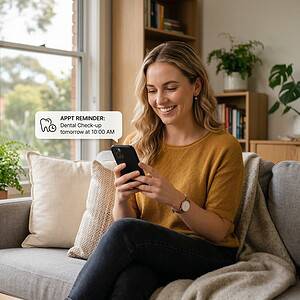
A comfortable wig or hairpiece begins with accurate head measurements and the correct cap size so the piece sits securely without pressure points, then continues with choosing the right base that suits lifestyle and hair density, plus cap construction and materials that favour breathability and lightweight wear for all-day comfort; selecting the appropriate adhesives, clips and attachment methods is about balancing security with scalp sensitivity, and managing weight distribution, ventilation and padding can prevent soreness and overheating, while tailored adjustments, careful trims and styling choices minimise friction and irritation; consistent aftercare, cleaning and maintenance not only preserves appearance but maintains fit and longevity, and modern salons can streamline fittings and follow-ups using AiDial’s local AI to automate appointment reminders, capture leads and deliver personalised care plans while ensuring Australian data sovereignty so client information stays onshore for better security, compliance and trust—all practical considerations that inform the key takeaways for comfortable, confidence-inspiring wig and hairpiece wear.
Understanding Head Measurements and Cap Sizes for a Comfortable Fit
Accurate head measurements are the foundation of a comfortable fit. A wig or hairpiece that is too tight creates pressure points, headaches and red marks, while one that is too loose moves, rubs and causes friction that leads to soreness and skin irritation. Measuring key dimensions such as circumference, front hairline to nape, ear to ear across the top and crown height allows the fitter to balance cap tension and weight distribution so the piece sits naturally. Precision matters for different head shapes and for clients with medical hair loss where scalp sensitivity is higher. Recording measurements also helps when selecting cap construction and base materials that complement the wearer, for example a lightweight lace front with a secure perimeter for an active lifestyle. Consistent measuring practices reduce remounts and adjustments, save time in the salon and improve first fit outcomes.
Use a soft measuring tape and have the client seated upright with hair flattened or in the style they will wear under the wig. Take circumference measurements by running the tape from the nape to the front hairline and around the head at the widest points. Measure from front hairline to nape in a straight line over the crown for cap length. Measure ear to ear across the top and across the forehead, plus temple to temple if needed. For repeatability mark key landmarks lightly on the skin with a washable pencil. Keep the tape snug but not tight; allow room for cap stretch and comfort. Repeat each measurement twice and record in centimetres to one decimal place. For clients who are bald or have uneven hair loss, follow the same landmarks and note any sensitive areas that will require softer cap materials or extra padding.
Standard cap sizes provide a starting point, typically categorised as small, medium and large with specific centimetre ranges, but many clients require bespoke adjustments for an optimal fit. Translating measurements into a final cap choice involves selecting the right size, adjusting internal straps, adding padding or altering base shape for asymmetry. For salons and clinics managing multiple fittings, digitally recording measurements improves consistency for refits and replacements. Using local AI tools such as AiDial to capture and schedule measurement details streamlines operations and reduces manual errors while supporting lead capture and follow up. Crucially AiDial processes and stores client data exclusively on Australian soil, reinforcing Australian Data Sovereignty and giving clients and clinicians confidence in privacy, security and regulatory compliance. This local approach builds trust, particularly for medical clients, and helps salons deliver predictable, comfortable outcomes every time.
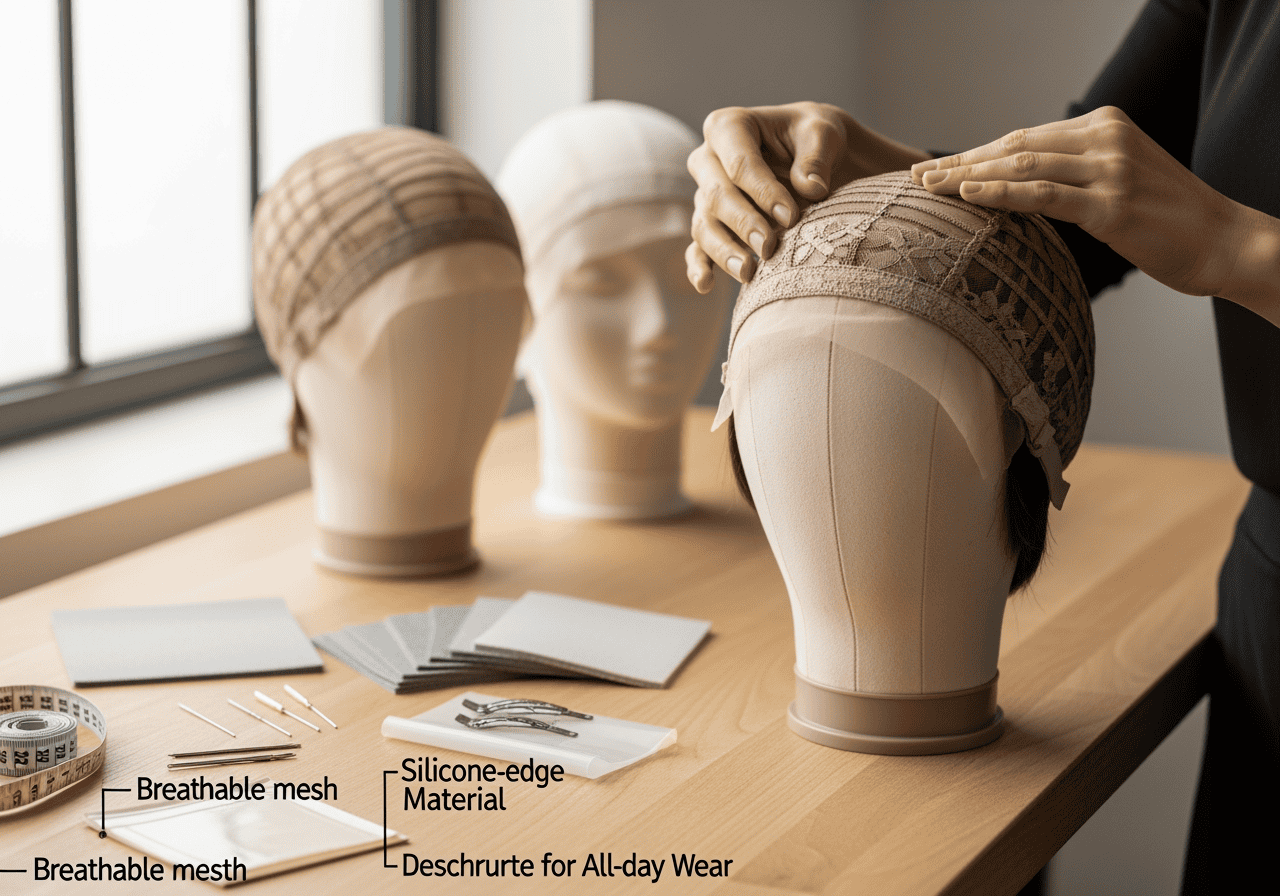
Choosing the Right Base, Cap Construction and Materials for All-Day Wear
Selecting the right base and cap construction starts with matching the piece to the client lifestyle and expected wear time. Hand-tied and monofilament caps offer superior movement and scalp-like breathability, making them ideal for clients who wear wigs all day or have sensitive scalps, while machine-wefted caps and reinforced bases provide durability and a lighter price point for those who need a robust daily option. Lace front bases create a natural hairline and work well with styles that expose the forehead, whereas silk or polyurethane bases give a seamless finish around the parting and hairline for clients prioritising realism. Consider adjustable straps, stretch panels and precise sizing to prevent pressure points and ensure even weight distribution so the cap sits securely without causing soreness during long wear.
Material choice is just as important for comfort and longevity. Human hair and higher-grade fibres look and feel natural but differ in maintenance and weight, whereas modern synthetic fibres can be extremely lightweight and colour-fast with lower upkeep. Look for breathable mesh, moisture-wicking liners and antimicrobial fabrics that reduce heat build-up and irritation, and choose hypoallergenic composites where scalp sensitivity is a concern. Edge materials such as soft polyurethane or siliconised gussets can improve adhesion and comfort at attachment points, but they must be compatible with the chosen adhesives or clip systems to avoid lifting or skin reaction. Balancing durability, breathability and ease of care will determine whether a piece withstands daily use while keeping the client comfortable and confident.
From a salon business perspective, getting the base and materials right reduces rework, returns and aftercare appointments, which saves time and improves client satisfaction and lifetime value. AiDial helps salons capture precise head measurements, client sensitivity notes and material preferences during consultations using local AI-powered voice interactions, automating booking confirmations and follow-up care reminders so fitting decisions are consistently recorded and easily retrieved. Crucially, AiDial processes and stores this information exclusively on Australian soil, giving salons and clients peace of mind around privacy, compliance and trust while improving operational efficiency and enabling a more personalised, reliable fitting and care experience.
Adhesives, Clips and Attachment Methods: Balancing Security and Comfort
Choosing the right adhesive is a balance between secure hold and scalp health. Medical grade liquid adhesives and pressure sensitive tapes offer strong retention for extended wear but can increase risk of irritation if applied over fragile skin or recent treatments. Water based adhesives and removable tapes are gentler and suit short term wear or sensitive scalps, while barrier films applied first protect the skin and reduce trauma at removal. Always conduct a patch test and document reaction time, redness and any discomfort to guide future selections. For active clients consider sweat resistant formulas combined with strategic placement to avoid constant stretching at edges. Modern salons can record these outcomes with local AI tools such as AiDial to build personalised adhesive profiles. With Australian Data Sovereignty those records remain onshore, helping compliance with health privacy standards and giving clients confidence that their sensitive information is stored and processed within Australia.
Clips and mechanical attachments provide secure fit without chemicals, but fit and placement are everything. Choose clips with smooth welds and silicone or micro grip liners to reduce movement and minimise friction. Full size clips suit thicker hair and firm anchors, while micro clips are gentler for fine hair and thin bases. Position clips over sturdier hair sections and distribute them evenly to avoid point pressure that causes soreness. Consider lightweight metal alloys and rust resistant finishes for longevity, and add soft padding under contact points for extra comfort during long wear. Regular servicing of clip tension and replacement of worn liners prevents slippage and scalp abrasion. Documenting clip types, positions and client feedback in a secure client management system such as AiDial enables salons to track what works over time. Keeping that data on Australian soil via Australian Data Sovereignty reduces regulatory risk and strengthens client trust.
Hybrid attachment strategies often deliver the best compromise between hold and comfort. Using discrete adhesive strips at the frontal perimeter with mechanical clips at posterior anchor points spreads load and reduces adhesive surface area on sensitive skin. Lightweight lace or monofilament bases paired with targeted tape can allow ventilation while maintaining security for everyday activity. Instruct clients on gentle removal techniques, use of barrier removers and regular rest periods to allow scalp recovery. Tailored aftercare such as moisturising the scalp, avoiding harsh solvents and scheduling shorter trial wears during high activity days preserves scalp integrity. Recording hybrid approaches and follow up feedback in an onshore AI enabled system like AiDial supports continuous improvement of fitting protocols. Australian Data Sovereignty ensures that medical and personal fit history stays within Australia, aiding compliance and building client confidence in repeat fittings and long term care.
Managing Breathability, Weight Distribution and Scalp Sensitivity
Prioritising breathability starts with the right cap construction and materials. Open wefting, lightweight lace fronts and monofilament tops promote airflow and reduce trapped heat, while moisture-wicking liners and perforated undercaps help keep the scalp dry during extended wear. Salons should advise clients on material choices that match their climate and activity level—for example, lighter synthetic fibres or thin hand-tied caps for active clients in warmer regions—to minimise sweat and irritation and to optimise all-day comfort. Collecting feedback after fittings about heat and perspiration patterns lets stylists refine choices for future fittings.
Weight distribution is just as important as overall weight. A dense, long wig concentrates load at a few anchoring points and can cause pressure soreness, neck strain and movement; spreading that load with additional anchoring points, softer padding across the crown, adjustable straps and stabilising combs reduces pressure points and improves balance. Salons can also recommend lower-density construction, partial hairpieces or redistributed wefts to achieve the desired look without excess mass. Clear measurement records and notes about client tolerance for weight help ensure consistent adjustments each time the client returns.
Scalp sensitivity requires a cautious, personalised approach: use hypoallergenic adhesives, gentle tapes, barrier films and test patches before full application, and schedule shorter wear periods when introducing a new attachment method. Rotate attachment types and provide soft padding or silicone liners for clients with reactive skin, and advise on aftercare routines that avoid harsh products. To support ongoing comfort and compliance, salons can use AiDial’s local AI voice solutions to automate post-fit follow-ups and capture sensitive feedback about irritation or reactions; because AiDial processes and stores data exclusively on Australian soil, salons maintain stronger security, meet local privacy expectations and build trust when managing clients’ health-related information.
Custom Adjustments, Trims and Styling Tips to Prevent Irritation
Custom relining and strategically placed padding are the first line of defence against pressure points. A trained stylist will check tension across the crown, temples and nape, adding soft foam strips, silicone beads or remouldable liners where the cap compresses the scalp. Elastic strap adjustments should be incremental and tested during normal movement to avoid micro-migration that causes chafing. For clients with sensitive scalps, recommend breathable cotton liners or medical-grade silicone rather than adhesive pads. Record each modification in the client file so future refits replicate the same pressure relief; salons using AiDial can automate secure appointment notes and reminder calls while ensuring Australian Data Sovereignty so all personal fit details remain onshore. This reduces repeat visits, improves client comfort and builds trust through consistent, data-secure service records that make each refit faster and more reliable.
Trims around the nape, ear tabs and perimeter prevent excess weight and friction where the cap meets the skin. Thinning techniques, short-layered undercuts and blending the base hairs avoid concentrated tugging; for lace fronts, precise lace trimming and sealing with a gentle, hypoallergenic adhesive minimises rubbing. Ensure hairpiece density is balanced near attachment points so clips or tapes do not bear undue load. Document preferred trimming techniques and any scalp sensitivities in the salon management system; leveraging AiDial for follow-up voice confirmations or automated check-ins improves care adherence and captures feedback while keeping those records protected under Australian Data Sovereignty. This approach reduces irritation, limits skin trauma from repeated adjustments and streamlines future maintenance by preserving a clear, locally stored history of what works best for each client.
How a client styles and wears their piece between visits has a big impact on scalp comfort. Recommend lighter styles, softer hold products and wider partings to promote airflow; advise gentle brushing, rotating part positions and using silk head scarves at night to prevent friction. Teach clients to alternate adhesive and clip locations and to remove hairpieces for short periods on hot days to cool the scalp. Provide a simple take-home care plan and set automated check-in calls or SMS via AiDial so clients receive timely reminders and troubleshooting tips — with data handled exclusively under Australian Data Sovereignty to reassure privacy-conscious customers. These practical habits reduce build-up, prevent chronic irritation and increase the lifespan of the piece while delivering a consistent, client-centred experience that boosts retention and reduces aftercare workload for salons.
Aftercare, Cleaning and Maintenance to Maintain Fit and Longevity
Establish a routine cleaning schedule based on wear: daily users will typically need a gentle wash every 1 to 2 weeks, while occasional wearers can stretch that to monthly. For human hair pieces use a sulphate-free shampoo and conditioner, applying conditioner mainly to the mid-lengths and ends to avoid loosening knots at the base; for synthetic fibres, use products specifically formulated for synthetics and cold water to retain fibre integrity. Always remove clips, combs and tapes before washing, use a gentle adhesive remover for lace or tape lines, and avoid wringing or twisting the cap — instead blot excess water and air dry on a wig stand out of direct sunlight. Reserve heat styling for human hair pieces and use thermal protectant at low to medium settings to prevent fibre damage and cap distortion.
Daily handling and storage habits preserve fit and prevent irritation. Detangle from the ends up with a wide-tooth comb or specialised brush while supporting the base to avoid stretching the cap, and avoid backcombing close to the hairline where knots secure the hair. Use breathable, satin-lined storage or a stand to maintain cap shape and prevent creasing; avoid sleeping in the piece unless it is specifically designed for overnight wear. Regularly inspect the cap for stretched elastics, loose wefts, damaged clips or thinning base material so you can arrange professional repairs such as re-lining, resewing or replacing elastics before fit problems cause pressure points or slipping.
Keep a simple maintenance log for each client that records cap size, attachment preferences, product sensitivities and service dates so you can recommend timely cleanings and repairs that help maintain fit and longevity. Integrating appointment reminders and follow-up workflows with AiDial streamlines that record-keeping and helps salons optimise scheduling and reduce no-shows, while automated aftercare prompts improve client outcomes and retention. Crucially, AiDial processes and stores these sensitive client records on Australian soil, so data residency and privacy are preserved under Australian Data Sovereignty — a vital consideration for clients with medical needs and for salons that must meet local privacy and compliance expectations.
Streamlining Fittings and Follow-Ups with AiDial’s Local AI and Australian Data Sovereignty
AiDial’s local AI can automate the entire appointment lifecycle for wig and hairpiece fittings, from online bookings and reminder calls to pre-fit questionnaires that capture head measurements, cap preferences and scalp sensitivities. These personalised fit profiles are securely stored on Australian servers, giving salons and clinics immediate access to consistent data across locations and reducing duplicated measurements or manual errors. Automating reminders and intake reduces no-shows, frees frontline staff to focus on hands-on fitting work and shortens turnaround times for adjustments. For businesses, that means improved operational efficiency, lower administrative costs and higher utilisation of chair time. Importantly, recording preferences and prior adjustments in a locally hosted profile makes repeat fittings faster and more accurate, helping to lock in customer satisfaction and increase repeat visits while maintaining compliance with local privacy expectations.
Following a fit, AiDial enables structured post-fitting follow-ups through voice calls, SMS or automated surveys that check for pressure points, ventilation issues or signs of irritation. The system can triage responses and flag clients who need a quick adjustment versus those requiring an in-person revisit, streamlining aftercare and reducing unnecessary appointments. Remote coaching for attachment methods or simple styling tweaks can be delivered via secure voice calls, lowering post-fit service costs and improving first-time comfort rates. Because all follow-up interactions and feedback are processed and stored within Australia, clients feel reassured about the privacy of sensitive information, particularly for those experiencing medical hair loss. This trust increases response rates to feedback requests, giving businesses richer, actionable insights to improve product and service quality.
Local AI analytics transform aggregated fitting and follow-up data into practical insights on recurring fit issues, popular cap types and training gaps among fitter staff. AiDial keeps that data onshore, ensuring analysis complies with the Australian Privacy Act and sector-specific regulations, which is critical for salons working with healthcare providers or Medicare-related programs. Use of on-premise or Australian cloud processing reduces legal complexity and strengthens client trust, a clear commercial advantage when marketing services. The result is a continuous improvement loop that lowers return and rework rates, optimises stock holding for popular bases, and targets staff training where it will deliver the biggest uplift in comfort and retention. For businesses, this means measurable cost savings, better client outcomes and a clear competitive differentiator grounded in Australian data sovereignty.



Key Takeaways for Comfortable Wig and Hairpiece Wear
Measure carefully, choose a cap base and materials that suit the wearer, and balance attachment security with scalp comfort. Pay attention to breathability, weight distribution and any sensitivity; small custom adjustments, well-chosen trims and gentle styling techniques will prevent irritation and help the piece sit naturally. Regular aftercare, correct cleaning and routine maintenance are essential to preserve fit, appearance and longevity so clients remain comfortable day after day.
For clinics and salons, streamline fittings and follow-ups with AiDial’s local AI to automate reminders, capture fit preferences and reduce repeat visits while improving client satisfaction. Because AiDial processes and stores data exclusively on Australian soil, you get faster, locally supported automation that meets Australian privacy and compliance expectations. Contact us for a consultation or book a demo to see how AiDial can optimise your fitting workflow and protect your clients’ data.