Korean restaurants across Australia often juggle high demand for weekend communal dining, complex group bookings, language preferences and the need to balance walk-ins with prebooked covers, stretching small teams and creating lost revenue opportunities; AiDial’s AI voice solutions help convert more enquiries into confirmed bookings and boost turnover by handling reservation calls at scale while personalising each interaction with natural language AI that remembers seating preferences, dietary notes and language options to create a more authentic guest experience. Automated confirmation and reminder calls reduce no-shows and optimise covers through easy reconfirmation and deposit prompts, while seamless integration with POS and booking systems ensures front-of-house and kitchen teams have up-to-the-minute reservation and customer data. Equally important for building customer trust, AiDial processes and stores voice and booking data exclusively on Australian soil, giving restaurateurs a clear advantage in privacy compliance and local data sovereignty. Early adopters among Korean dining venues in Sydney and Melbourne are already seeing smoother reservation flows and improved table utilisation, and the rest of this post explores practical steps, real-world examples and key takeaways to help restaurateurs modernise reservations with a secure, locally supported AI calling solution.
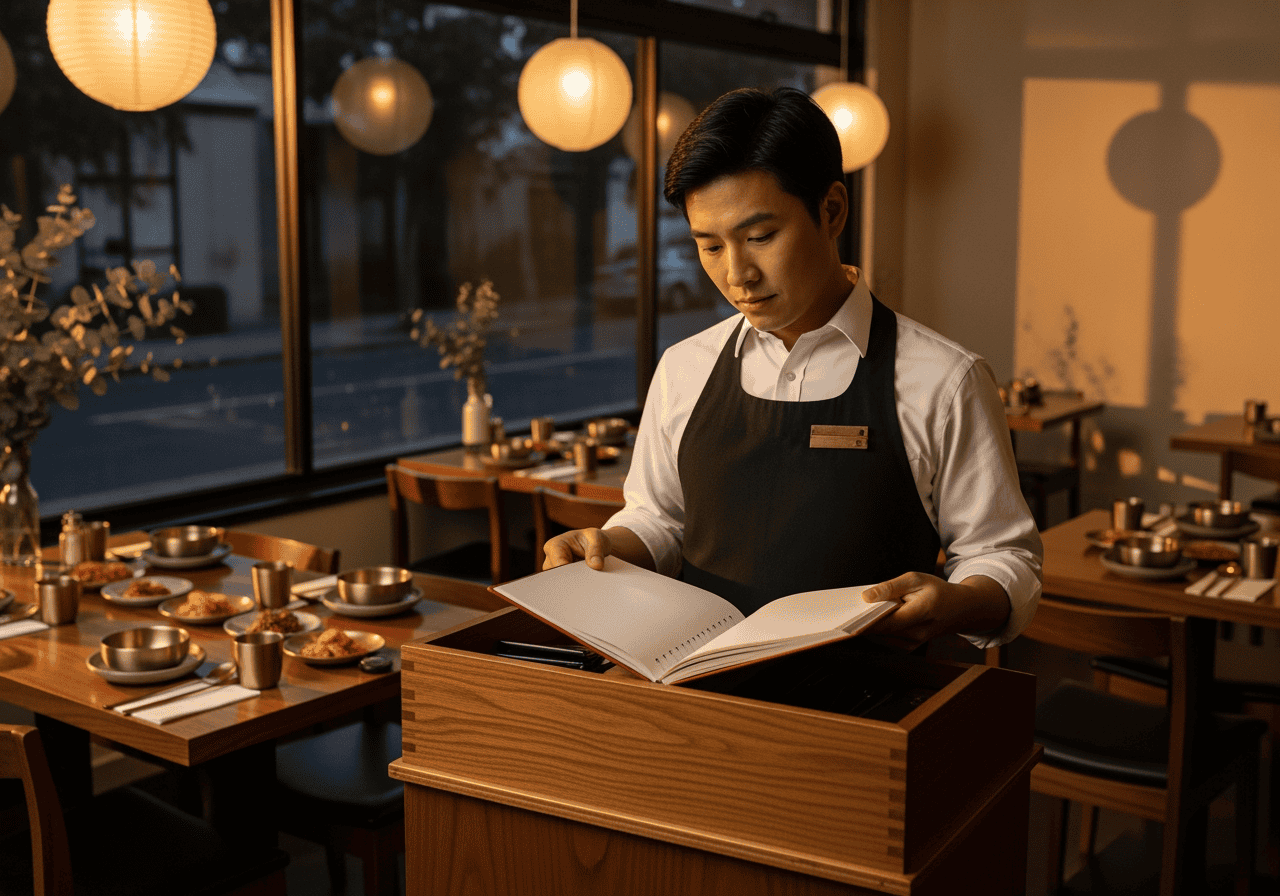
Reservation Challenges Facing Korean Restaurants in Australia
Korean restaurants in Australia often operate with compact dining rooms designed for communal experiences, which means peak times such as Friday and Saturday nights quickly reach capacity. Small front-of-house teams must juggle table turns, manage walk-ins and take complex group bookings simultaneously, increasing the risk of missed phone calls and under‑utilised covers. Busy staff answering service queries can create slow response times, frustrated callers and lost revenue when enquiries go to voicemail or are handled inconsistently. This operational squeeze is compounded by unpredictable dining durations for large groups and seasonal events tied to cultural celebrations. For businesses that want to protect revenue and free up staff to focus on in‑service hospitality, a scalable reservation handling capability is essential. Choosing an AI call solution that processes calls locally under Australian Data Sovereignty reduces the compliance and security concerns that come with outsourcing guest data offshore while ensuring reservations are captured reliably and securely.
Many Korean dining venues cater to a diverse customer base that includes Korean-speaking guests, local Australians and international visitors, so reservations can involve language preferences, transliterated names, and culturally specific requests like private rooms, shared platters or birthday rituals. Limited bilingual staff mean reservation details are sometimes lost or misinterpreted, leading to incorrect seating, missed dietary notes or awkward guest experiences that harm repeat business. Cultural nuances also affect how patrons like to be addressed and the level of formality expected on the phone, so standard scripts often fall short. Handling this reliably requires technology that can manage language options and remember guest preferences without exposing sensitive information. Restaurants increasingly need reservation systems that not only respect these nuances but also keep voice and personal data on Australian soil, which strengthens guest trust and regulatory compliance under Australian Data Sovereignty.
Reservations nowadays arrive via phone, social media DMs, third‑party apps and walk‑ins, creating a fragmented ecosystem that makes it easy for bookings to be missed, duplicated or poorly recorded. Small teams often lack the time to manually reconcile channels, enforce deposit policies or run timely reconfirmations, which leads to double bookings, inefficient seating plans and last‑minute cancellations that hurt turnover. No-shows disproportionately impact smaller venues where each cover is critical, and chasing deposits or sending reminders manually is labour intensive. Integrating booking data across platforms while maintaining guest privacy is a technical and administrative burden. For venues focused on reducing revenue leakage, a locally hosted AI call system that centralises voice enquiries, automates confirmations and operates within Australian Data Sovereignty offers a secure pathway to streamline bookings and protect sensitive customer information.
How AI-Powered Calls Boost Table Bookings and Revenue
Missed or overloaded reservation calls directly cost busy Korean restaurants revenue; an AI-powered voice assistant from AiDial answers every enquiry instantly and converts callers into confirmed bookings. Operating 24/7 and fluent in Korean and English, the system takes the full reservation, remembers seating preferences, group size and dietary notes, and handles complex group bookings with the same care as a human host. By eliminating voicemail, long queues and dropped calls, restaurants capture demand they would otherwise lose during peak Friday and weekend services.
Beyond taking bookings, AiDial helps increase average spend and reduce wasted covers. Automated prompts for deposits or pre-authorisation turn tentative enquiries into committed covers, while context-aware suggestions can offer set menus, group packages or high-margin add-ons that suit communal dining. The result is higher turnover per service and lower labour costs because fewer staff hours are needed to manage phones; front-of-house teams can focus on guest experience instead of firefighting reservation traffic.
Crucially, AiDial’s Australian Data Sovereignty ensures all voice and booking data is processed and stored on Australian soil, which builds trust with customers and owners concerned about privacy and regulatory compliance. That local assurance makes guests more likely to provide contact and payment details, improving conversion rates for deposits and confirmations. Combined with local support and actionable analytics on conversion and occupancy, restaurants get measurable revenue uplift and can continually optimise opening hours, menu offers and staffing to match real demand.
Personalising Guest Experience with Natural Language AI
AiDial captures and recalls the small details that make a dining experience feel personal, from preferred table location and seating layout for groups to dietary restrictions and favourite dishes. When a guest calls to book, natural language AI confirms past notes and adds new requests conversationally, so front of house does not need to repeat questions or manually search records. Those preferences are written back into the booking record and surfaced to staff in real time, reducing friction on arrival and improving table turnaround. For Korean restaurants that rely on repeat custom and word of mouth, this kind of memory turns first-time visitors into loyal patrons. Crucially, all guest profiles and sensitive dietary information are processed and stored on Australian soil by AiDial, meeting local privacy expectations and building trust in how their personal details are handled.
Natural language AI lets callers choose or be automatically served in Korean or English, handling code switching, accent variations and common colloquialisms to create a warm, authentic interaction. AiDial can pick up on language preferences during the first call and use that preference for future outreach, so service feels genuinely local and culturally respectful. That reduces the need for bilingual staff to answer every enquiry during peak periods while preserving the authenticity essential to the Korean dining experience. Language preference and context are retained within secure, Australian-based systems, so customers know their information is protected under local governance. The outcome is higher conversion of enquiries to bookings, stronger guest satisfaction, and a consistent voice that reflects the restaurant’s culture without adding extra labour costs.
Personalisation through AI is not just about niceties, it drives measurable business outcomes. AiDial uses conversational insights to suggest tailored menu add-ons, confirm deposit requirements for large group bookings, and recommend appropriate seating configurations that maximise covers. Those personalised prompts increase average spend per booking and reduce cancellations by making guests feel understood and valued. The AI also tags high-value customers and special-occasion bookings so staff can prioritise service, improving lifetime value. Since all decisioning and data storage occur within Australian borders, restaurants can confidently use guest data for permission-based marketing and loyalty programs while complying with local regulations. The net effect is streamlined operations, higher turnover on busy nights, and more predictable revenue without compromising guest privacy or security.
Reducing No-Shows and Optimising Covers with Automated Follow-ups
Automated pre-confirmation calls and SMS reminders minimise no-shows by giving guests clear reconfirmation options and deposit prompts for larger groups. AiDial natural language AI can conduct reminders in Korean or English, reference seating and dietary notes from the booking, and allow two-way responses so guests can confirm, cancel or adjust without staff intervention. Timing can be customised for peak weekend communal dining, increasing reconfirmation rates and reducing last-minute no-shows that hurt turnover.
On the day of service automated follow-ups free up front-of-house staff by handling reconfirmation, last-minute changes and mobile deposit collection or secure payment prompts integrated with the POS. When a cancellation is received the system can immediately offer the freed table to the waitlist or notify staff for reallocation, turning potential lost covers into replacement bookings. These workflows reduce labour costs, improve covers per service and protect revenue during busy service periods.
AiDial also includes reporting that tracks no-show trends by day, time, party size and booking channel so managers can optimise table layouts, staffing and deposit policies to minimise risk. Crucially all call recordings, contact details and payment prompts are processed and stored on Australian soil under the AiDial Australian Data Sovereignty approach, helping restaurants meet privacy and compliance expectations and reassuring diners their personal and payment information stays local. The result is fewer empty tables, stronger turnover and a more efficient, trusted reservation process tailored to the needs of Korean dining venues.
Seamless Integration with POS and Booking Systems
AiDial connects directly to the POS and booking systems restaurants already use, providing real-time two-way synchronisation that stops double bookings and keeps floor plans accurate across shifts. When an AI-powered reservation call confirms a large party, adjusts seating times or takes a deposit, that change is written back into systems such as ResDiary, OpenTable, SevenRooms, Lightspeed and Square instantly so hosts and kitchen staff see the same availability. The result is reduced manual updates, fewer last-minute scrambling moments and more reliable covers forecasting that helps managers optimise staffing and inventory. Because AiDial processes and stores interaction data exclusively on Australian soil, sensitive booking details and payment prompts remain within local jurisdiction, strengthening security and compliance while enabling rapid reconciliation between bookings, POS transactions and daily sales reports.
Seamless integration means every reservation captured by AiDial enriches guest profiles across your technology stack, preserving seating preferences, language choices, dietary notes and past ordering behaviour so front-of-house can deliver a personalised experience from arrival to bill. Those unified profiles can trigger operational workflows in the POS and kitchen display systems, for example flagging dietary requirements to chefs, initiating prep for set menus, or pre-authorising card deposits for high-demand weekend services. This automation increases table turn efficiency, lifts average spend per cover through timely upsell suggestions and reduces service errors that erode repeat business. Crucially, AiDial keeps these customer records within Australia, giving Korean restaurant owners confidence that guest data is handled under local privacy standards and available for trusted analytics and loyalty initiatives.
AiDial is designed for quick, low-disruption deployment with APIs and webhook options tailored to the varied tech ecosystems found in Australian restaurants, from small family venues to multi-site groups. Implementation includes mapping common booking events to POS actions, testing deposit flows and establishing fallbacks so staff can intervene seamlessly when required. Ongoing support is provided from Australia, meaning faster response times, local maintenance windows and updates that respect peak trade patterns. Data sovereignty plays a central role in resilience planning; by keeping recordings, logs and analytics on Australian servers AiDial reduces cross-border risk, simplifies compliance with the Australian Privacy Principles and helps restaurants demonstrably protect guest information when integrating multiple systems for a unified operational picture.
Building Customer Trust with Australian Data Sovereignty
For Korean restaurants, building trust starts with how guest information is handled. Diners regularly share phone numbers, dietary requirements, seating preferences and sometimes payment details when they make reservations. AiDial’s AI voice solutions process and store all of that data exclusively on Australian soil, so restaurants can reassure customers that their information is managed under Australian privacy expectations and the Australian Privacy Principles. That local custody reduces the risk of foreign jurisdictional access and supports compliance with domestic regulations, which is especially important for operators serving multicultural communities who expect secure, respectful handling of personal details.
Data sovereignty also delivers practical benefits for daily operations. Keeping voice recordings, reservation histories and customer preferences in Australian data centres reduces latency and improves call clarity for reservation confirmations and language-specific interactions, while local technical support means faster issue resolution and service continuity. AiDial designs integrations with POS and booking systems to limit cross-border data transfers, making consent management and opt-in processes straightforward for front-of-house teams. This transparency helps restaurants specialise their service without exposing guest data to unnecessary third-party risks.
The business upside of prioritising Australian data sovereignty is measurable. When guests feel confident their information is safe, conversion rates from enquiry to confirmed booking rise and repeat visitation improves, supporting better yields on weekend covers and group bookings. Minimising cross-border exposure also lowers regulatory and reputational risk, helping venues avoid fines and negative publicity that can harm hard-won community trust. For Korean dining venues seeking to grow sustainably, AiDial offers a locally-hosted AI voice platform that both optimises reservation workflows and protects the privacy standards that customers increasingly demand.
Real-World Success Stories from Korean Dining Venues
A busy Korean barbecue in Sydney transformed how it manages weekend communal dining by deploying AiDial AI voice solutions to handle peak reservation volumes. The restaurant had been losing enquiries during Friday and Saturday peaks when staff were on the floor; AiDial now answers simultaneous calls, confirms group sizes, captures seating preferences and prompts for deposits where needed. The front-of-house team regained hours each week previously spent on the phone, allowing them to focus on in-venue service and upselling. Integration with the venue POS meant kitchen prep and table rotations became more predictable, reducing wait times and increasing covers. Crucially, all call interactions and guest data are processed and stored within Australia under AiDial’s Australian Data Sovereignty model, giving management and guests confidence that personal and payment-related information remains local and subject to Australian security and privacy standards.
A neighbourhood Korean cafe in Melbourne used AiDial to balance spontaneous walk-ins and prebooked covers without expanding staff headcount. The venue implemented automated confirmation and reminder calls that reconfirm bookings, offer simple deposit options and provide language choices for Korean or English speakers. This reduced no-shows by more than a third and improved lunchtime turnover, as the kitchen could plan production with greater accuracy. The AI also recorded dietary notes such as vegetarian kimchi or nut allergies, which improved guest satisfaction and reduced order errors. Because AiDial keeps all recordings and customer preference data on Australian servers, the cafe met landlord and enterprise partner requirements for local data residency while benefitting from rapid local support and minimal latency when calling guests across the eastern seaboard.
A multi-site Korean dining group adopted AiDial across four metropolitan locations to create a consistent booking experience and centralised guest profiles. The AI handled high call volumes centrally, ensured uniform phrasing for specials and promotions, and personalised service by recognising returning patrons and their seating and spice preferences. Centralised data allowed marketing teams to segment regulars for loyalty offers and helped operations forecast demand across sites, leading to reduced labour costs and improved table utilisation. By keeping all customer interactions and analytics in Australia, the group maintained a single, auditable source of truth that aligned with corporate compliance rules and local privacy expectations, while enabling quick, Australia-based support for any adjustments to call scripts or integration with existing booking and CRM systems.



Conclusion and Key Takeaways
Korean restaurants in Australia face tight turnarounds, fluctuating demand and costly no-shows, but AI-powered calls offer clear, practical solutions: automated reservation handling increases table bookings and revenue, natural language personalisation lifts guest experience and repeat visits, and automated follow-ups and confirmations reduce no-shows while optimising covers. Seamless integration with existing POS and booking systems means these gains are realised without disrupting front-of-house operations, delivering measurable efficiency and cost savings for both independent venues and multi-site groups.
Choosing a locally hosted solution like AiDial ensures these benefits come with the added advantage of Australian Data Sovereignty, giving restaurateurs confidence in security, compliance and customer trust by keeping all call data on Australian soil. For any Korean dining venue aiming to grow covers, improve guest satisfaction and streamline operations, Book a Demo with AiDial to see how our AI call solutions can be tailored to your service model and tech stack.