Choosing the right drama or acting school starts with clarity about where you want to take your craft and career, whether that means stage, screen, commercial work or teaching, and balancing realistic time commitments and qualification levels against your long-term goals; from there, look closely at what and how you will learn, from classical technique to on-camera performance and ensemble work, and whether the teaching methods and course structure fit your preferred pace and depth of study. Equally important is who will guide you — the faculty, visiting mentors and industry practitioners who will shape your technique, provide real-world insight and open doors — and whether the facilities, production spaces and performance opportunities give you practical experience and industry connections that translate into work. Practical considerations such as tuition, scholarships and the likely return on investment should be weighed alongside softer benefits like reputation and alumni outcomes, while modern training increasingly relies on technology, including AI tools and voice solutions that can accelerate skill development, streamline audition prep and automate administrative tasks to save staff time and capture more prospective students. When schools use these digital tools, it is vital to understand how student recordings and personal data are handled; Australian Data Sovereignty matters because keeping voice samples, assessment feedback and administrative records onshore protects student privacy, meets local compliance and builds trust with families and employers. Taken together, assessing your career objectives, the depth and style of training, the calibre of teachers, the richness of performance and industry access, the cost and funding options, and the technology and data practices will help you make a confident, value-focused choice about which drama or acting program will best launch and sustain your creative career.
Understanding Your Goals: Career Paths, Training Levels and Time Commitments
Begin by naming the specific career you want so course selection aligns with real outcomes. Stage acting often prioritises voice projection, ensemble work and classical technique, while screen acting demands subtlety, camera awareness and continuity. Commercial and voiceover work require tight scripts, quick turnarounds and strong audition tapes; teaching pathways need recognised credentials and curriculum knowledge. Knowing your end point helps you compare syllabuses, performance opportunities and industry connections. Technology plays a growing role: AI voice tools can help you build audition reels, practise lines with realistic delivery prompts and receive objective feedback on diction and timing, saving time and money in preparation. For schools and students in Australia, choosing solutions that process and store recordings domestically is essential; Australian Data Sovereignty protects personal audition material, supports compliance with local privacy laws and reassures parents, agents and casting directors that sensitive creative work remains under Australian legal safeguards.
Match the training level to your ambitions and time horizon. Short courses and workshops are ideal for targeted skill building or testing a discipline, diplomas deliver industry-ready practical training with strong production experience, and degree programmes offer wider theoretical grounding and pathways into teaching or higher study. Consider accreditation, industry placements and the balance between technique, repertoire and on-camera work. Institutions that use AI voice solutions can offer standardised voice assessments, scalable coaching and detailed progress tracking so students and faculty can measure development precisely. For providers, these tools reduce administrative load and improve teaching efficiency. Crucially, when student recordings and assessment data are processed and stored within Australia, institutions meet expectations for student privacy and IP protection, demonstrating a commitment to Australian Data Sovereignty that strengthens trust with students, employers and funding bodies.
Realistically assess how much time you can commit without burning out. Full-time conservatoire programmes demand intensive rehearsal and class hours, while part-time and weekend options suit those balancing work, family or paid gigs. Look for schools that publish realistic timetables, clarify expected outside rehearsal hours and offer flexible delivery such as block intensives or blended learning. AI voice tools can significantly improve efficiency for time-poor students by enabling on-demand practise, asynchronous tutor feedback and remote auditions, reducing travel and timetable clashes. For institutions, AI-driven scheduling and automated follow-up can capture enrolment interest and streamline audition bookings. Keeping all recordings, communications and student records on Australian servers supports secure collaboration and ensures compliance with local privacy policy, reinforcing Australian Data Sovereignty as a practical advantage for students and schools managing sensitive creative work and personal data.
Course Content and Teaching Methods: From Classical Technique to Screen Acting
Course content varies widely, so start by mapping the technical skills each programme prioritises against your goals. Strong classical programmes will specialise in text work, voice, movement, stagecraft and ensemble technique, emphasising breath control, speech, period style and script analysis. Screen focused courses lean into on camera technique, continuity, hitting marks, naturalistic micro performance, camera acting terminology and the logistics of self taping and commercial performance. Look for courses that balance technique with industry practice, offering structured feedback loops, masterclasses with working practitioners, and staged or filmed projects that let you apply learning in real production conditions.
Teaching methods have also evolved from purely face to face conservatoire models to blended approaches that match modern industry demands. Recorded scenes, self tape laboratories and asynchronous feedback let students refine performance outside scheduled classes, while live workshops, scene study and collaborative rehearsals build ensemble instincts. AI driven voice and rehearsal tools can amplify this learning by providing objective, repeatable feedback on clarity, pacing and diction and by simulating casting calls and dialogue partners for solo practice. AiDial provides AI voice solutions that schools can integrate to deliver lifelike vocal interaction, automated role play and rapid voice assessment, helping students practise more efficiently and giving teachers scalable ways to track progress over time, all while keeping recordings and analytics within Australian data centres for local privacy and compliance.
When assessing programs, check not only the skills taught but how students practise and receive feedback and whether the tools used respect local governance and privacy expectations. A course that offers dedicated on camera coaching, professional self tape facilities, dialect coaching and access to AI voice practice partners will help you be audition ready sooner and reduce the need for costly extra coaching. From a provider perspective, choosing technology that maintains Australian data sovereignty gives institutions and students confidence that sensitive voice recordings, performance reviews and enrolment data are processed and stored on Australian soil, simplifying compliance, building trust and ensuring local support when schools scale their digital learning and audition workflows.
Faculty, Mentors and Industry Experience: Who Will Shape Your Craft
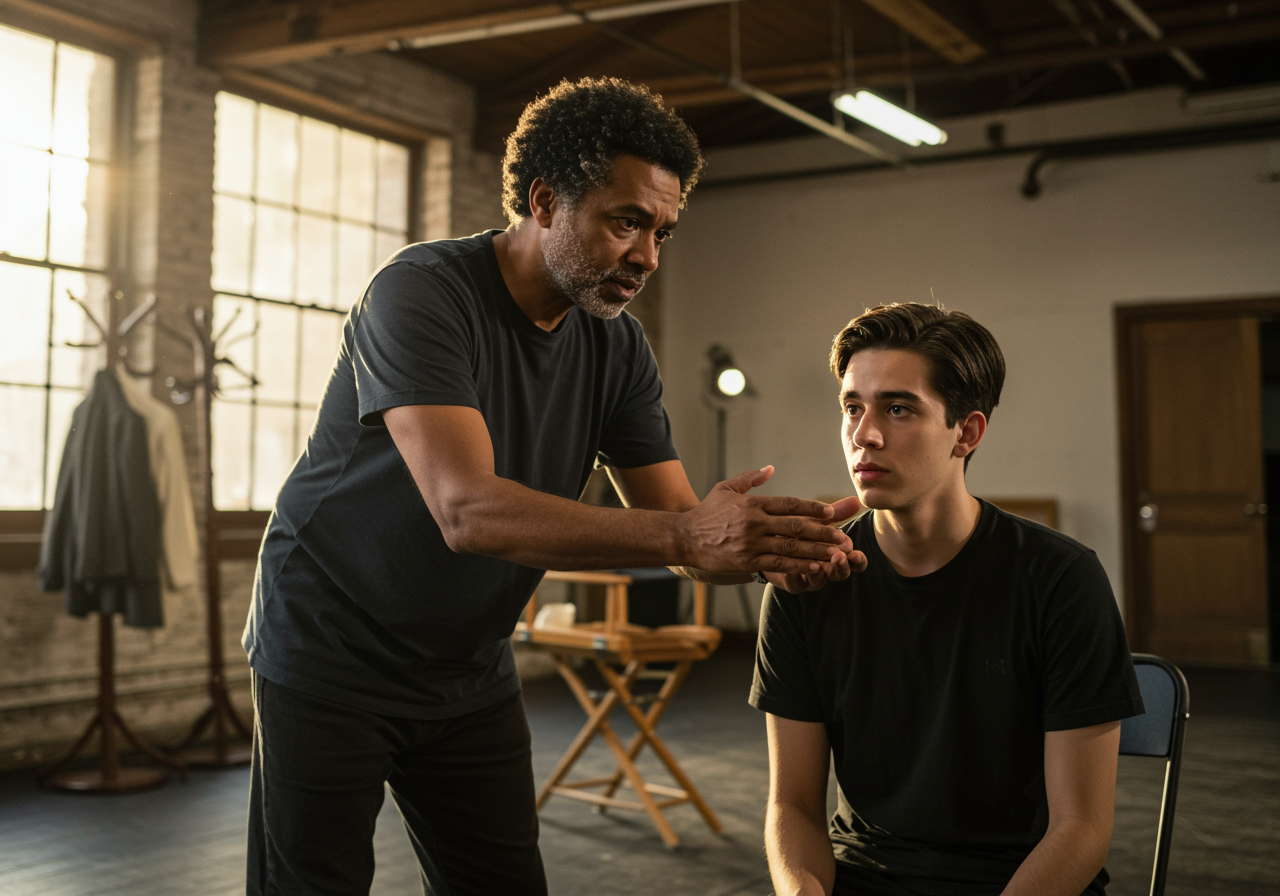
When evaluating potential teachers look beyond titles to recent, demonstrable industry work — stage credits film and TV roles commercial experience directing or teaching at festivals — and ask for examples of students who have progressed into the industry. Strong faculty will balance conservatoire technique with current professional practice and maintain networks that open doors for students. From an operational perspective schools that use modern workflows can better present faculty portfolios and schedule masterclasses efficiently. AiDial’s AI voice solutions help here by automating outreach and interview coordination with visiting artists while securely recording faculty demos and sample lessons for prospective students. Because recordings and contact data are processed and stored under Australian Data Sovereignty schools can confidently share material without risking overseas data exposure. That assurance not only protects privacy and simplifies compliance with local regulations but also builds trust with practitioners and families who expect Australian-held data for recruitment and promotional use.
Mentors and visiting practitioners are often the gateway to agents castings and industry insight so assess how regularly a school brings in professionals and whether those engagements are embedded into the curriculum through workshops placements or panel events. Look for active partnerships with theatre companies production houses casting directors and regional festivals that result in internships or showcases. Technology plays a practical role in scaling and recording these touchpoints: AiDial’s voice technology enables seamless remote masterclasses and one-on-one mentoring sessions with high-quality audio plus automated scheduling and follow-up. Crucially all session recordings student demo reels and mentor notes can be kept on Australian servers ensuring Australian Data Sovereignty so intellectual property and personal details stay under local jurisdiction. This not only safeguards creatives but also streamlines admin work for schools providing measurable efficiencies and clearer audit trails for industry partnerships.
Timely constructive feedback is the engine of growth for actors so examine how a school delivers critique practical notes and repeatable exercises for auditions and on-camera work. Effective programmes offer layered feedback from peers tutors and industry visitors supported by recorded materials students can revisit while preparing for castings. AI-enhanced voice tools can accelerate this loop by generating accurate transcripts indexing performance moments and offering objective metrics on pace clarity and phrasing that tutors can reference. AiDial’s solutions automate routine communications such as casting reminders callback calls and personalised coaching prompts while storing all audio and analysis within Australia in line with Australian Data Sovereignty. That local storage is important for protecting students demo tapes and assessment records and gives schools a secure scalable way to improve turnaround times reduce administrative load and deliver a higher-quality personalised learning experience without compromising privacy or compliance.
Facilities, Performance Opportunities and Industry Connections
Physical facilities are the foundation of effective training: black box theatres, camera studios, sound booths and fully equipped rehearsal rooms let students practise stagecraft and on-camera technique under realistic conditions. Look for schools that invest in professional-grade audio-visual equipment and live-streaming capability so performances can be recorded, reviewed and shared with industry stakeholders. AiDial’s AI voice solutions complement these facilities by capturing high-quality voice recordings, generating accurate transcriptions and providing automated vocal analysis that helps students and tutors track progress over time — all while keeping recordings and performance data stored and processed on Australian soil to maintain security and compliance.
Performance opportunities are where training meets the industry: internal productions, public seasons, graduate showcases and festival placements build practical experience and create moments for casting directors and agents to see emerging talent. Strong programs offer regular, structured chances to perform and receive professional feedback, as well as mechanisms to promote shows to local audiences. AiDial helps schools manage these opportunities more efficiently through automated audition and ticketing communications, intelligent scheduling, and follow-up systems that capture leads from agents and directors, helping schools demonstrate return on investment and improve student exposure without sacrificing data sovereignty.
Industry connections turn training into careers, so assess the strength and maturity of a school’s partnerships with directors, casting agencies, production companies and arts organisations. Good schools formalise internships, placements and mentoring nights that lead to paid work and real-world experience. AiDial’s solutions make it easier to scale and sustain those relationships: automated outreach, secure contact management and call analytics reduce administrative load and ensure timely follow-up with partners and alumni. Crucially for students, families and institutional partners, having all contact records, audition tapes and communication logs held exclusively within Australia reinforces trust and helps institutions meet Australian Privacy Principles and sector-specific compliance expectations.
Fees, Scholarships and Return on Investment: Evaluating Value for Money
Tuition headlines are only the starting point when evaluating value for money. Compare course length, contact hours, production levies, costume and travel costs, and whether short courses or part‑time options deliver comparable learning outcomes to full‑time programmes. Factor in audition fees, materials and likely timeline to paid work. Also assess how efficiently the school runs administrative tasks because lower operational overheads can translate into reduced fees or more scholarship funding. AiDial’s AI voice solutions automate enquiry handling, audition scheduling and payment reminders, reducing staff hours and phone costs while improving conversion from enquiry to enrolment. Crucially, AiDial processes and stores all voice data on Australian soil, protecting applicant recordings and personal information under local privacy frameworks, which gives prospective students and their families greater confidence when committing time and money to training.
Scholarships and bursaries vary widely in scope, renewal criteria and real‑world value. Look for awards that include mentoring, placement opportunities or guaranteed workshops rather than one‑off fee relief, because those extras materially increase the chance of paid work and a stronger showreel. Investigate whether the school tracks scholarship recipients outcomes and offers support for living or travel costs during productions. Technology partners can improve fairness and scale of selection processes. AiDial streamlines scholarship administration, automates outreach to high potential applicants and enables scalable voice‑based audition submissions that make shortlisting more efficient, allowing schools to reinvest savings into student support. Importantly, all applicant data and audio submitted via AiDial is stored and processed in Australia, aligning with local privacy obligations and reassuring donors, students and industry partners that sensitive material is handled securely.
Assess ROI by combining graduate outcomes with the school’s ability to run cost‑efficient operations. Useful metrics include graduate employment rates, castings secured, average time to first paid role and onward industry representation or teaching accreditation. Also value intangible returns such as network strength, onstage experience and personal resilience. From an operational standpoint, ROI improves when student acquisition costs fall and retention rises. AiDial’s AI voice platform reduces repetitive admin through automated calling, reminders and conversational triage, captures verified voice samples for audition and assessment, and provides analytics that inform marketing and placement decisions. Central to this proposition is Australian data sovereignty: keeping recordings, contact histories and assessment notes onshore reduces legal risk, supports compliance with the Privacy Act and builds trust with students and industry, turning cost savings into sustainable reputational value.
Technology, AI Tools and Voice Solutions: What Schools Use to Enhance Learning
Modern drama and acting schools are using a mix of recording technology, on-camera playback, virtual rehearsal spaces and AI tools to deepen practice and accelerate skill development. High-quality audio capture and automated transcription let students review diction, timing and emotional nuance in ways that used to require a director sitting beside them. Remote masterclasses and simulated scene partners powered by voice AI broaden access for regional and working students, while analytics show teachers where to target coaching so class time is more productive.
AI voice solutions add measurable value by automating routine tasks and personalising practice. Automated feedback on pronunciation, pace, emphasis and breath control reduces marking load and gives students fast, objective insights to improve between lessons. Schools also use voice-driven systems to streamline auditions, booking and enquiries, improving lead capture and converting interest into enrolments with lower admin cost. AiDial’s solutions are built to integrate with learning management systems and CRM platforms so training teams can scale feedback, reduce overheads and demonstrate better outcomes to students and stakeholders.
Choosing suppliers that keep voice data onshore matters for privacy, intellectual property and regulatory compliance. Performance recordings, audition tapes and coaching notes are sensitive assets that students and faculty expect to be handled securely under the Australian Privacy Principles. AiDial specialises in Australian Data Sovereignty, processing and storing all voice data exclusively in Australia to reduce legal complexity, protect performance IP and preserve trust with students and industry partners. To see how onshore AI voice tools can optimise your school operations and student experience, Book a Demo or Contact Us for a consultation.
Student Data, Privacy and Australian Data Sovereignty: Why Local Storage Matters
Drama and acting schools collect a wide range of personal and creative material that is inherently sensitive. Beyond standard enrolment and contact details, institutions hold medical and guardianship information for minors, audition recordings, rehearsal footage, performance call sheets and portfolios that represent students intellectual property. Increasingly, schools use voice recordings, biometric markers from facial recognition tools and detailed behavioural analytics derived from AI coaching systems. Each of these items requires considered handling because they can identify students, reveal health needs or represent future professional assets. Clear consent practices, defined retention periods and secure anonymisation are essential. Keeping a strict inventory of what is stored, why it is retained and who can access it helps maintain trust with students, parents and agents. For creative disciplines where demo reels and voice samples are career currency, protecting ownership and ensuring appropriate use prevents misuse and supports students long after they graduate.
Hosting student data onshore directly supports compliance with the Privacy Act and the Australian Privacy Principles, and simplifies responses to data breach notification obligations and freedom of information requests. When data is transferred offshore it can fall under foreign jurisdictional claims or surveillance laws that are outside Australian oversight, creating legal complexity and potential exposure. For schools working with minors, state child protection regulations add another layer of responsibility around consent and retention. Noncompliance can lead to regulatory action, heavy remediation costs and reputational damage that is hard to repair in a close-knit arts community. Choosing local storage reduces cross-border contractual risk, eases auditor scrutiny and demonstrates to students, families and industry partners that the school takes privacy seriously. Clear policies that reference Australian law and demonstrate technical safeguards are often decisive for students choosing where to train.
Opting for Australian-hosted AI voice tools and data storage delivers tangible operational benefits for drama schools. Onshore processing reduces latency for real-time practice tools and improves reliability for remote coaching, automated audition scheduling and voice-driven feedback systems. It also lowers compliance overheads and enables faster incident response with local support and data incident teams. Perhaps most importantly, Australian Data Sovereignty is a trust differentiator for prospective students and parents who want assurance that recordings, demo reels and assessment artefacts remain under Australian law and control. Providers that specialise in local voice AI can integrate transcription, searchable practice diaries and secure sharing with casting directors without exposing raw media to offshore risks. For administrators, this means reduced legal complexity, clearer consent workflows and the confidence to adopt innovative learning tech while protecting student privacy and creative ownership.

Conclusion and Key Takeaways for Choosing the Right Drama or Acting School
Choosing the right drama or acting school means weighing your career goals, the intensity and duration of training, the balance of classical technique and screen work, the calibre of faculty and mentors, the quality of facilities and performance pathways, and the likely return on investment. Consider course content and teaching methods alongside practical supports such as scholarships, industry connections and clear pathways into work. Technology is now a core factor too, so ask how schools use AI tools to enhance rehearsal, voice work and audition preparation while protecting student privacy and complying with Australian regulations.
For schools and students wanting a secure, future ready approach, AI voice solutions can personalise learning, streamline administration and capture more opportunities without compromising privacy. AiDial specialises in voice technology that is processed and stored on Australian soil, giving you the advantages of improved training outcomes, operational efficiency and regulatory compliance through Australian data sovereignty. To explore how these capabilities can support your training goals or your institution, Book a Demo with AiDial or Contact Us for a Consultation.