Chinese restaurants face familiar booking headaches from peak-hour surges and language preferences to fragmented booking channels and staff constraints, and adopting AI call technology can turn those pain points into reliable revenue by increasing reservation rates through fast, consistent inbound and outbound calls that confirm bookings, fill last-minute tables and capture new leads; by personalising interactions — offering bilingual service, recalling favourite dishes, recommending set menus and sending tailored offers — AI calls drive repeat business and lift average spend, while seamless integration with online ordering and POS systems synchronises reservations with pre-orders and kitchen workflows to improve service efficiency and reduce errors; automated reminders, dynamic waitlists and easy rebooking cut no-shows and optimise table turnover so owners get more covers per shift and better labour utilisation, and because data security and regulatory compliance matter to Australian businesses, keeping call processing and customer data exclusively onshore underpins trust and meets local privacy obligations, which is why AiDial’s local AI voice solutions are designed for Australian Chinese restaurants — offering bilingual, locally tuned voice models, on-premise or Australian cloud hosting, simple integration with popular POS platforms and responsive local support to deliver measurable cost savings, higher customer satisfaction and clearer business outcomes; read on for practical tactics and key takeaways you can implement this week to start boosting bookings and growing revenue.
Understanding Booking Challenges for Chinese Restaurants
Chinese restaurants commonly face intense surges at peak times such as Friday and Saturday nights, public holidays and cultural festivals, and those surges create a cascade of operational headaches. Many venues must manage mixed seating configurations from small two tops to large banquet tables, plus private rooms and communal dining during busy periods. Add set menus for groups, dietary preferences and staggered arrival times, and the risk of inefficient table allocation, long customer wait times and lost covers rises sharply. These dynamics place pressure on front of house and kitchen teams, increasing errors and slowing turnaround. Understanding these peak patterns and the complexity of seating is essential for any effective bookings strategy. When reservation systems and voice channels are out of sync, restaurants miss opportunities to maximise covers and revenue during their busiest windows, which directly impacts profitability and customer satisfaction.
Language and cultural nuance are central to the Chinese dining experience and influence how customers book and what they expect. Many patrons prefer to speak Mandarin, Cantonese or other dialects when making reservations, discussing menu substitutions or arranging celebration requests, and inconsistent bilingual support can lead to abandoned calls and lost bookings. Cultural expectations around group dining, portion sizing and timing for courses also affect how bookings should be handled to avoid service friction. Training staff to deliver that level of personalised, culturally sensitive service is resource intensive and difficult to scale, especially with casual or part time rostering. For restaurants that aim to build trust and repeat custom, reliably capturing and honouring language and cultural preferences at the point of booking is a business imperative and a differentiator in a competitive market.
Bookings today arrive through many channels phone calls, social media messages, third party platforms and walk ins which creates fragmentation and increases the chance of double bookings or missed leads. Limited staff availability to handle high call volumes and follow up manual confirmations compounds the problem, leading to increased no shows and inefficient table turnover. At the same time customers expect personalised follow ups and privacy protection, so safe handling of contact details, dietary notes and loyalty data is vital. Retaining that information onshore is particularly important for building trust with Australian customers and meeting regulatory expectations. Local AI voice solutions can centralise bookings, reduce manual workload and maintain Australian data sovereignty so customer details remain processed and stored on Australian soil, supporting compliance and giving restaurants confidence in how sensitive booking data is managed.
How AI Call Automation Increases Reservation Rates
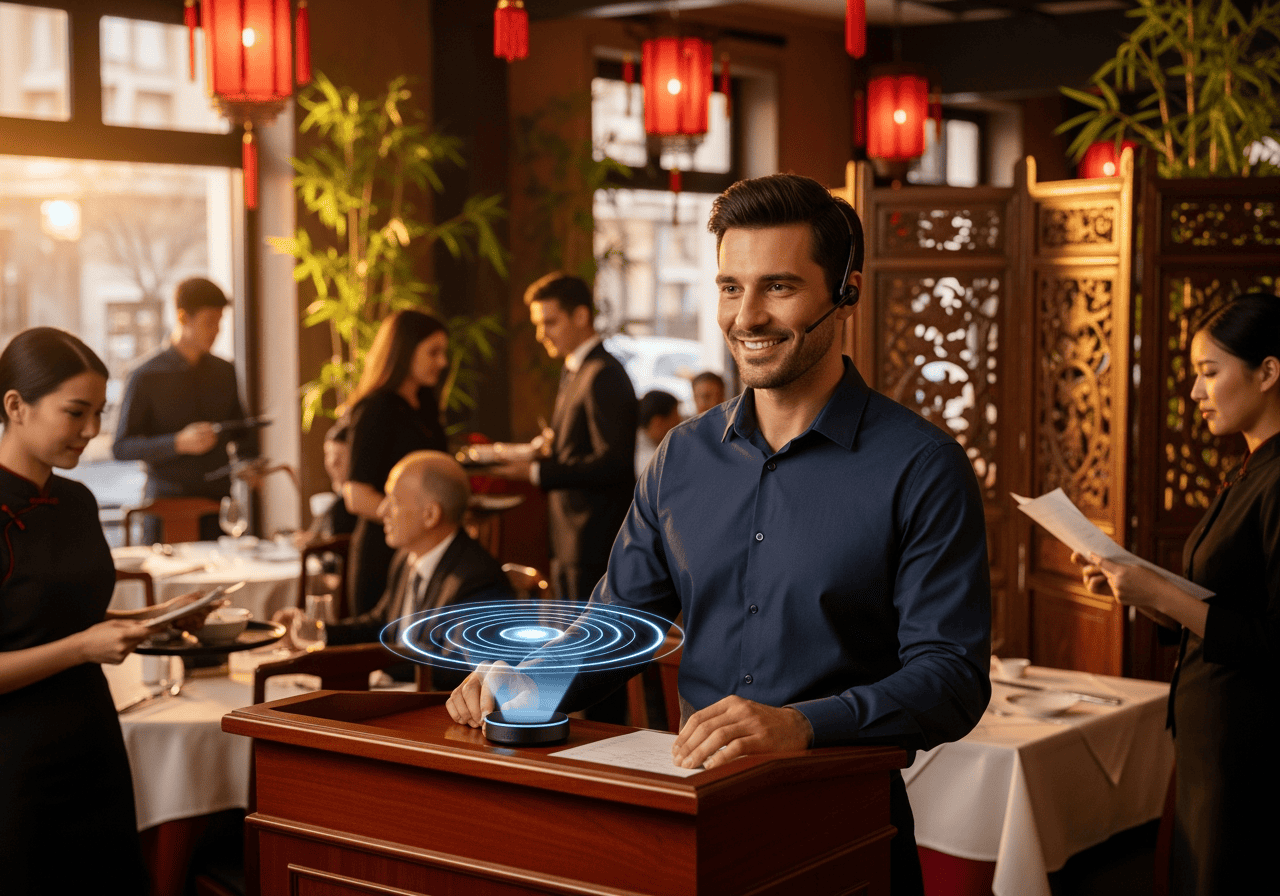
AI call automation captures more bookings by answering every call instantly, even during peak-hour surges, so fewer potential guests get lost to voicemail or hold music. An AI voice can handle multiple concurrent calls, gather reservation details, suggest alternative times when the requested slot is full, and offer bilingual interaction to match many Chinese restaurant customers preferences. This responsiveness turns missed-call leakage into confirmed covers, lifting conversion rates without adding front-of-house staffing costs.
Automated confirmations and timely follow-ups lock in reservations and reduce late cancellations, which directly increases effective booking rates. AI calls can send immediate confirmation calls or SMS, manage changes, and activate dynamic waitlists that automatically contact guests when a table frees up, filling last-minute holes that would otherwise remain empty. Personalisation in these interactions, such as recalling previous dining preferences or offering set menus for groups, increases acceptance of alternatives and drives commitment.
Proactive outbound campaigns run by AI further boost reservations by re-engaging past diners, promoting special events, and filling slow nights with targeted offers that feel conversational and local. Seamless syncing with reservation systems and CRM ensures every new lead becomes a recorded booking and informs future outreach, improving lifetime value and table utilisation. Critically, AiDial processes and stores all call data onshore under Australian Data Sovereignty, which strengthens customer trust, simplifies compliance with local privacy expectations, and encourages guests to share contact details that power higher reservation conversion and measurable cost savings.
Personalised Customer Interactions to Drive Repeat Business
Personalisation starts with speaking to guests the way they prefer, and AiDial makes bilingual, culturally aware conversations scalable. AI call flows can be configured to converse fluently in Mandarin, Cantonese and English, smoothly switching when guests indicate a language preference. That matters for Chinese restaurants where pronunciation of names, menu items and dining formats like yum cha or banquet seating influence both guest comfort and conversion rates. By using natural, locally tuned voice models and scripts that respect cultural nuances, AiDial helps increase reservation acceptance and reduces friction during busy periods. Crucially, all recorded preferences and voice interactions are processed and stored under Australian Data Sovereignty, so owners and customers alike can trust their personal details remain within Australia, meeting local privacy expectations and strengthening customer trust in repeat bookings.
AiDial captures contextual details during calls — favourite dishes, dietary needs, seating and occasion types — and links them to the restaurant CRM and POS to build rich guest profiles. These profiles enable personalised suggestions in real time, such as recommending a chef’s set menu for a group booking, suggesting banquet options for family gatherings or upselling a signature dumpling platter based on past orders. Automated follow-up calls and messages use those insights to present relevant offers, increasing average spend and conversion of casual enquiries into confirmed reservations. Because all profiling data is kept onshore under Australian Data Sovereignty, restaurants can safely use these insights to nurture loyalty programmes and targeted campaigns without exposing sensitive customer information overseas, improving compliance and customer confidence.
Personalisation extends to lifecycle and event marketing where AiDial adds tangible business value. Automated AI calls can reach out with tailored invitations for Lunar New Year dinners, Mother’s Day lunch specials or private banquet slots, and handle RSVP, dietary collection and pre-ordering in one seamless interaction. Loyalty members receive bespoke offers and priority booking calls that reference past visits and accumulated rewards, encouraging repeat visitation and word-of-mouth referrals. For last-minute capacity gaps, AiDial can run targeted outbound sequences to known high-value guests who prefer a particular cuisine or booking time, turning potential waste into revenue. With all campaign data and call records retained in Australia thanks to Australian Data Sovereignty, owners maintain regulatory compliance and preserve customer trust while executing sophisticated, personalised retention strategies.
Integrating AI Calls with Online Ordering and POS Systems
Seamless integration between AI calls, online ordering platforms and your POS is the backbone of a reliable booking and fulfilment system. When an AiDial call confirms a reservation it can also capture a pre-order or dietary note, then synchronise that information in real time with your POS so front-of-house and kitchen staff see the same, accurate details. This removes manual re-entry, reduces errors around special requests common in Chinese cuisine, and prevents double-bookings or menu items showing as available when they are not, ultimately improving customer experience and protecting revenue during peak service periods.
On the kitchen floor, integrations mean pre-orders are routed into workflow lists and ticketing systems with clear preparation times, priority flags and any bilingual notes for staff. AiDial can trigger batching for set-menu orders, allocate prep windows to smooth peak demand, and update inventory counts in the POS to avoid stock-outs or over-ordering. These operational efficiencies shorten table turnaround, reduce food waste and labour costs, and ensure delivery and pick-up instructions align with what customers expected when they made or confirmed their booking.
Beyond operational sync, linking AI call data to CRM, loyalty and analytics systems unlocks richer customer insights for targeted offers and re-engagement. Missed-call leads and confirmed pre-orders feed follow-up messages, personalised promotions and loyalty credits that increase repeat visits and average spend. Crucially, AiDial keeps all of this data processing and storage on Australian soil under its Australian Data Sovereignty model, giving Chinese restaurants confidence that customer preferences and payment-related information remain secure and compliant with Australian privacy and regulatory expectations while enabling local support and faster integrations.
Reducing No-Shows and Optimising Table Turnover with AI
AI voice calls provide consistent, timely confirmations that dramatically reduce uncertainty for both restaurants and customers. Automated outbound calls and follow up SMS confirm details, confirm dietary requirements and offer a simple cancellation or reschedule option that customers can action immediately by voice or a single tap. This lowers the barrier to inform the restaurant when plans change, turning potential no shows into released covers that can be rebooked. Because AiDial processes voice interactions locally under Australian Data Sovereignty, customer contact details and confirmation responses remain onshore, supporting trust and compliance with privacy expectations. For busy Chinese restaurants this means fewer empty tables at peak service, less frantic phone work for frontline staff and measurable gains in covers per night. The business outcome is clear reduced no show rates, more predictable seating and lower labour overhead for manual call handling.
Dynamic waitlists powered by AI voice orchestration enable restaurants to fill gaps as they appear. When cancellations occur the system can immediately call or message the next guests on the list in preferred language, confirm their availability and reserve the table within seconds. AI can also prioritise high value or frequent customers and trigger tailored offers to convert marginal prospects into immediate bookings, boosting yield on otherwise lost capacity. Integration with POS and reservation systems ensures the floor team sees updated seating plans in real time, reducing turnover friction. With AiDial keeping data and voice interactions on Australian soil, restaurants can confidently use automated outreach without exporting customer data overseas, maintaining regulatory compliance and customer trust while increasing occupancy and revenue from last minute opportunities.
AI analysis of historical booking patterns, service times and menu pacing supports smarter seating strategies that increase nightly covers without compromising guest experience. Predictive tools suggest staggered arrival windows, allocate tables by party type and recommend pre order opportunities that reduce dining time for set menus, creating more predictable slot durations. AI voice confirmations can prompt pre ordering for large groups, confirm arrival windows and offer incentive driven earlier or later reservations to smooth peaks. This reduces bottlenecks, shortens idle periods between covers and raises table turn efficiency. By operating with Australian Data Sovereignty, AiDial ensures the behavioural models and customer profiles that drive these predictions are built from data stored and processed in Australia, delivering optimised turnover while protecting sensitive customer information and meeting local compliance standards.
Trust and Compliance The Importance of Australian Data Sovereignty
For Chinese restaurants collecting bookings, dietary notes, contact numbers and occasional prepayment details, where that data is processed and stored is not just a technical detail, it is a commercial and legal one. Australian businesses must meet the Privacy Act and the Australian Privacy Principles plus the Notifiable Data Breaches scheme, and cross border transfers can introduce complex compliance obligations. Choosing a voice solution that keeps voice recordings, transcripts and customer metadata onshore removes uncertainties around foreign jurisdictions, streamlines privacy compliance and reduces the administrative burden when responding to customer enquiries or regulator reviews.
Keeping data on Australian soil also delivers tangible security and performance benefits that affect the bottom line. Onshore processing lowers latency and improves call quality and real time personalisation, so reservation confirmations and last minute offers reach customers faster and more reliably. It also reduces the risk of overseas access or differing legal processes that can complicate incident response; fewer legal headaches and quicker containment mean lower breach exposure and associated costs, translating into measurable savings and more predictable operations for owners and managers.
Beyond compliance and security, Australian Data Sovereignty is a trust signal that helps drive more bookings and repeat business. Customers, franchise partners and corporate clients feel more comfortable sharing contact and payment details when they know data is stored locally, and restaurants can evidence secure handling during audits or contract negotiations. AiDial combines onshore data residency with secure integrations into POS and booking systems, enabling Chinese restaurants to confidently promote personalised, bilingual booking experiences while keeping customer data secure, compliant and firmly within Australian jurisdiction.
Why AiDial’s Local AI Voice Solutions Suit Australian Chinese Restaurants
Chinese restaurant owners must protect customer information from reservation details to deposit card tokens and dietary notes. AiDial processes and stores all call data exclusively on Australian soil, which reduces exposure to overseas data access and makes compliance with Australian Privacy Principles simpler to manage. For businesses that collect sensitive customer preferences and payment details, onshore storage reduces the legal and reputational risk of foreign jurisdictions accessing data. That assurance also strengthens customer trust at point of booking, particularly among locals who expect Australian businesses to keep their data close to home. From an operational perspective, local hosting means predictable latency and local service level agreements, so calls, confirmations and SMS reminders run reliably during peak dinner services. For multi-site restaurants and franchise groups, centralised Australian data storage also simplifies reporting, audits and incident response, turning privacy compliance into a competitive advantage rather than a headache.
AiDial is built to handle the bilingual and multicultural needs of Chinese restaurants across Australia, enabling natural interactions in Mandarin, Cantonese and English without losing cultural nuance. The AI can confirm bookings, explain set menus, handle dietary requests and recommend popular dishes in the guest’s preferred language, reducing misunderstandings that cost covers. It can recall past orders and suggest familiar flavours to upsell banquet packages or promote weekday specials, lifting average spend per booking. Crucially, AiDial handovers to onshore staff when conversations require human judgement, preserving service quality. For owners, this means fewer missed bookings from language barriers, higher conversion rates from outbound enquiries and stronger repeat visitation through personalised follow ups. All voice data used to tune bilingual models remains in Australia, ensuring continuous improvement without compromising customer privacy or cultural sensitivity.
AiDial integrates with common reservation systems, POS and online ordering platforms to synchronise bookings, pre-orders and kitchen workflows so the front of house and kitchen operate as one. Automation handles high-volume tasks such as confirming reservations, filling last-minute cancellations and managing dynamic waitlists, reducing staff workload and labour costs during peak service. That scalability lets restaurants capture walk-in leads and convert misses into covers through timely outbound calls and offer-based outreach. Because AiDial is locally hosted, implementation, customisation and support are provided by Australian teams who understand local trading patterns, compliance requirements and restaurant rhythms. Rapid onboarding and tailored voice scripts for Chinese cuisine mean restaurants see measurable lifts in reservation rates and lower no-show rates without disrupting service. The result is a pragmatic, cost-effective platform that directly improves table turnover, customer experience and revenue.



Conclusion and Key Takeaways
Chinese restaurants that adopt AI call automation can expect clearer bookings, higher reservation rates and better customer retention through personalised, natural-sounding interactions that respect cultural and linguistic preferences. Integrating AI calls with online ordering and POS systems streamlines workflows, reduces manual booking errors and helps optimise table turnover while cutting no-shows through timely confirmations and reminders. These operational gains translate directly to improved efficiency, lower labour costs and stronger customer lifetime value.
Choosing AiDial brings these benefits with the critical advantage of Australian Data Sovereignty, ensuring customer and booking data is processed and stored on Australian soil for stronger security, compliance and customer trust. For Australian Chinese restaurants seeking to modernise front-of-house operations without compromising privacy or control, AiDial offers a local, specialised AI voice solution that drives bookings and enhances guest experience. Book a Demo to see how AiDial can transform your reservation management and protect your data.