





Start with service information, facility bookings, request intake, status enquiries and after-hours messages. Choose one or two request types with clear rules, a defined result and an obvious staff handover when the request falls outside scope.
It is designed for government and public-service contact teams evaluating queue and routing operations. It works best when the team can describe the request, the desired result and the exceptions staff must retain.
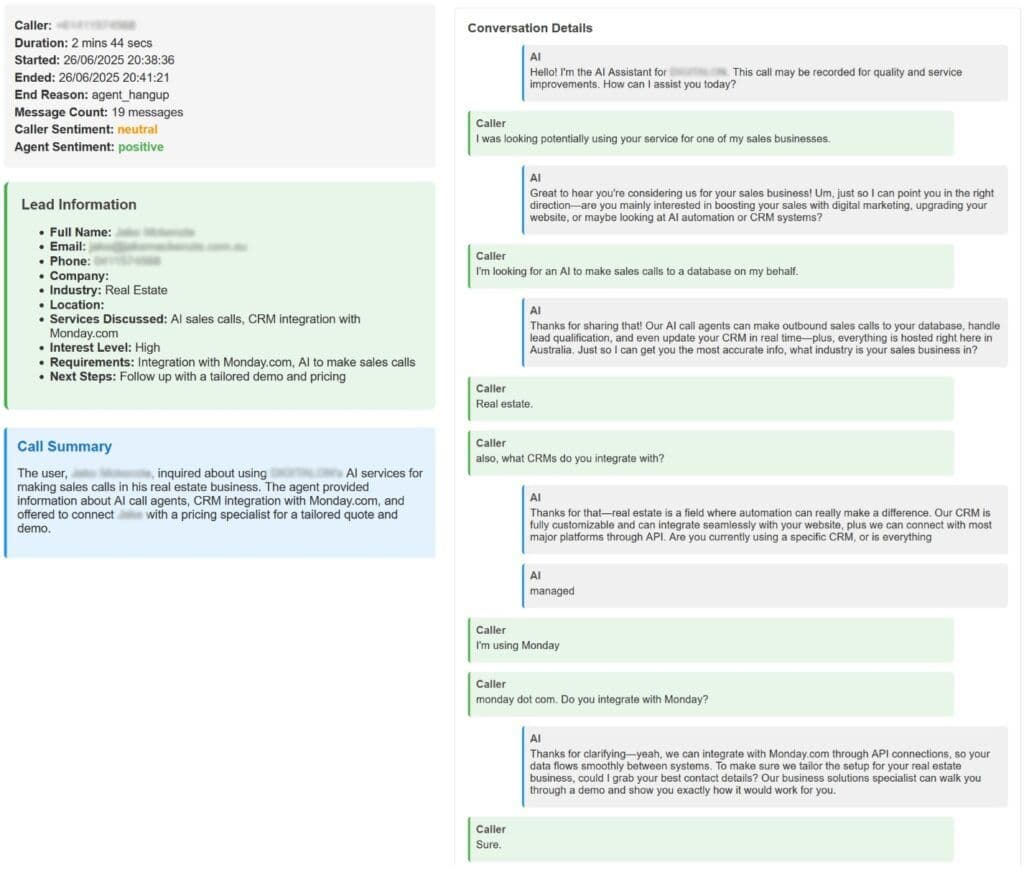
AiDial can capture intent, resolve an approved routine request and route the remaining call with a concise summary. The project controls the information used, actions available and destinations for handover.
Yes. The service can sit behind an existing number for an agreed call path, or use a separate number where the telephony design requires it. Coverage can include all calls, overflow, after-hours traffic or a dedicated service.
Yes. Business-hour and public-holiday rules can select an approved closed-hours path, such as limited information, a message or an on-call destination.
Only when the configured integration supports the action and returns a clear result. Otherwise AiDial records the request for staff and does not claim completion.
The fallback can be a transfer, structured message, callback request or safe closure. Eligibility, enforcement, statutory decisions and individual case outcomes remain with authorised officers.
Measure correct outcomes, accurate handovers, caller drop-off, missing information and staff corrections for the selected requests. Expand only when the failure cases are understood.
Collect only the details needed to complete or hand over service information, facility bookings, request intake, status enquiries and after-hours messages. Every requested field should have a documented operational purpose.
The organisation defines the notice, consent rules, access controls and retention settings. AiDial provides configurable controls, while final compliance decisions remain with the organisation and its advisers.
No. Recording and transcription are project choices. If either is enabled, callers should receive the approved notice and staff access should be limited to the roles that need the record.
Yes, where approved verification is configured. Failed or incomplete verification should lead to a safe handover rather than disclosure of protected information.
Supported calendars, CRM tools and business systems can be assessed through their APIs. Confirm the required fields and actions against the current integration options before promising a connection.
Assign a content owner for business hours, services, answers, routing destinations and escalation rules. Test changes with realistic requests before treating them as live.
Cost depends on usage, workflow complexity, integrations and support. Compare options using the real workload rather than a headline per-minute figure alone.
This page focuses on queue and routing operations for government and public-service contact teams. Public Sector Virtual Receptionist covers a broader or adjacent need, so compare the actual workflow, limits and staff handover.