Protecting artworks and collectibles in Australia starts with understanding the specialist insurance landscape and putting reliable valuation and appraisal processes in place so owners, exhibition venues and private collectors can be confident their pieces are insured to true market value; that means recognising common threats such as theft, accidental damage, gradual deterioration and risks during transit, and selecting tailored policy features and extensions that reflect the unique needs of high-value items. Equally important is meticulous documentation and provenance management to substantiate claims and maintain value, which is why keeping records processed and stored on Australian soil under strict Australian Data Sovereignty safeguards not only strengthens security and regulatory compliance but also builds trust with insurers and buyers. Practical cost‑optimisation and risk‑mitigation strategies for businesses and institutions include preventative conservation, targeted cover limits and efficient claims workflows, and modern AI tools can accelerate those workflows: AiDial AI voice solutions capture accurate incident and valuation details in real time, streamline customer interactions, reduce administrative cost and speed claims, all while ensuring voice data stays within Australia, preserving sovereignty and peace of mind as you take the next steps to protect your collection.
Understanding Art and Collectibles Insurance in Australia
Artworks and collectibles present unique exposures that standard commercial or household policies do not adequately address. Items often move between private collections, galleries, museums and international fairs, are subject to gradual deterioration, and can have complex ownership and lending arrangements that create insurable interest challenges. For Australian owners and institutions this means seeking specialist cover that recognises agreed value settlements, exhibition and transit clauses, and allied conservation support. Insurers will assess provenance, conservation history and security arrangements when determining terms and premiums, so proactive risk management is commercially advantageous. Integrating secure, local data capture into these processes helps substantiate values and claims. AiDial’s AI voice solutions can streamline incident logging and provenance capture at the point of contact, ensuring records are recorded accurately and retained under Australian Data Sovereignty, which strengthens evidentiary weight and trust with underwriters and stakeholders.
Art and collectibles policies are typically structured around declared or agreed values rather than standard replacement sums, and often include named perils, transit and exhibition extensions, temporary loan cover and optional cover for restoration costs. Pricing reflects item value, provenance documentation, condition reports, location security, conservation practices and historical claims. Deductibles, territory limits and sub-limits for specific risks (for example transit or unassisted handling) materially affect both premium and claims outcomes. For businesses and institutions, transparent record-keeping and demonstrable risk controls can reduce premiums and improve settlement certainty. Maintaining auditable records locally and securely is a persuasive risk-mitigation measure; storing and processing these records solely on Australian soil under Australian Data Sovereignty provisions supports regulatory compliance and reduces exposure to foreign data access, improving insurer confidence.
Start with rigorous inventories, high-quality condition reports, up-to-date valuations and clear provenance files, then align those records with the policy wording to close coverage gaps. Regular conservation assessments, secure transit protocols and documented security procedures also lower the likelihood and cost of loss. From an operational perspective, automating routine communications and evidence capture reduces human error and speeds response times when incidents occur. AiDial’s AI voice platform can capture incident narratives, trigger follow-up workflows, and integrate with case-management systems while ensuring all voice recordings and metadata remain processed and stored in Australia under Australian Data Sovereignty. That combination improves customer experience, shortens claim cycles, and delivers cost efficiencies for galleries, insurers and collectors without sacrificing security or regulatory compliance.
Assessing Value and Appraisals for Galleries, Dealers and Private Collectors
Accurate valuation starts with a rigorous appraisal process carried out by qualified valuers who specialise in art and collectibles. Appraisers will assess provenance, condition, rarity, medium and market demand, drawing on auction results, dealer records and specialist price databases to determine fair market value and replacement cost. For high-value pieces, condition reports with detailed photography, polarization of varnishes, and conservation histories are essential evidence that underpins both insurance sums and future resale, so galleries, dealers and private collectors should insist on documented, signed reports rather than informal estimates.
Maintaining up-to-date valuations is a practical risk management step: markets shift, condition can change, and exhibition or transit exposures often mean the insured sum should be reviewed annually or before any loan or sale. Underinsuring a collection exposes owners and institutions to significant financial loss, while over-insuring ties up capital unnecessarily. Effective appraisal workflows also capture provenance records, invoices and export documentation so claims are substantiated quickly; digital record keeping of these materials makes reappraisal and claims handling faster and more reliable for all stakeholders.
AiDial’s AI voice solutions streamline the appraisal lifecycle by automating appointment bookings, capturing verbal condition notes from valuers, and transcribing provenance conversations directly into secure case files, reducing admin overhead and turnaround times. Crucially, AiDial processes and stores all call recordings and transcriptions on Australian soil, ensuring Australian Data Sovereignty so galleries, dealers and collectors retain control over sensitive provenance and valuation records for compliance and trust. The result is a more efficient appraisal process that lowers operational costs, improves customer experience and strengthens the evidentiary trail insurers require when settling claims.
Common Risks: Theft, Damage, Deterioration and Transit
Theft remains a significant threat to artworks and collectibles in Australia, from opportunistic theft in private homes to targeted raids on galleries, auction houses and transit consignments. High value pieces attract organised criminals and insider risk, while inadequate physical security, poor inventory processes and lax visitor control create vulnerabilities. For insurers and owners the consequences include not only loss of the item but protracted valuation disputes, provenance gaps and increased premiums. Practical mitigations include layered security such as alarms, monitored CCTV, secure showcases, vetted transport providers and rigorous access logs. AiDial can support these measures by capturing immediate voice reports of incidents, automating alert workflows to security teams and insurers, and recording witness and handler statements at the point of discovery. Crucially all incident audio and metadata can be processed and stored on Australian soil under strict Australian Data Sovereignty principles, providing a secure, compliant audit trail that strengthens claims and deters fraud.
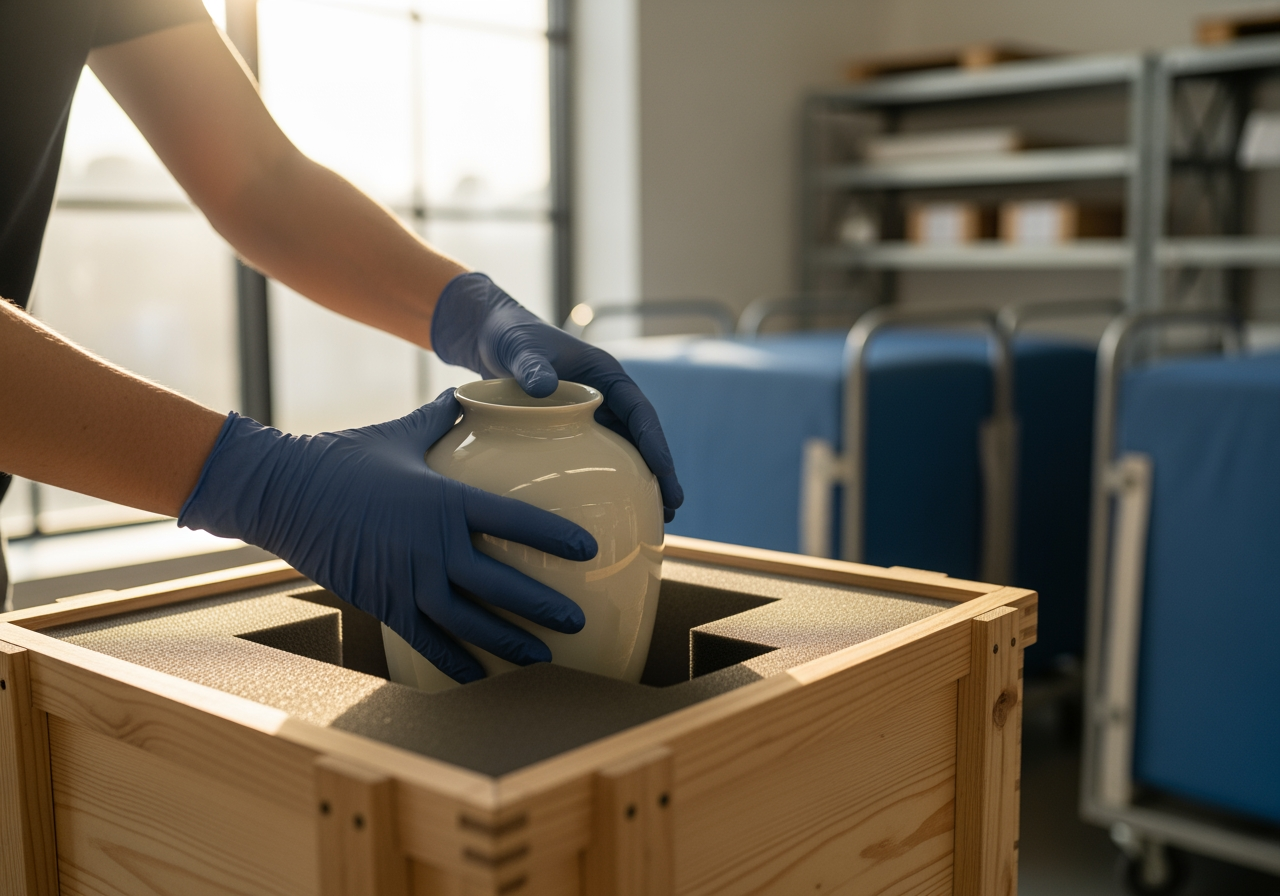
Accidental damage is one of the most common sources of insurance claims for art and collectibles, occurring during installation, handling, display changes, conservation work and packing or unpacking. Even trained staff can inadvertantly cause scratches, fractures or losses of surface media when tools, adhesives or inappropriate supports are used. Temporary exhibitions and loans increase exposure as items move between environments and handlers. Preventative steps include clear handling protocols, staff training, condition reporting before and after movement, specialised packing materials and using experienced couriers. When damage does occur rapid, accurate documentation is vital for claims and conservation triage. AiDial offers voice-enabled condition reporting and guided incident workflows that let handlers record detailed descriptions and photographic references hands free, speeding notification to insurers and conservators. With all records and voice files retained within Australia to meet Australian Data Sovereignty requirements, organisations maintain trust with clients and regulatory bodies while streamlining claim substantiation and repair planning.
Slow deterioration driven by environmental factors is a persistent risk for collections. Fluctuating humidity, temperature extremes, light exposure, pollution, pest activity and salt-induced corrosion can all degrade materials over months and years, silently eroding value. Transit introduces additional hazards such as vibration, shock, condensation and delays that compound long term damage. Effective risk management combines preventive conservation, environmental monitoring, routine condition assessments and resilient packing and logistics practices. For insurers, a documented preventative program often reduces premiums and supports claims where gradual loss is alleged. AiDial can integrate with environmental alert systems and provide immediate voice alerts and recorded incident logs when thresholds are breached during storage or transit, enabling rapid intervention. By ensuring all sensor data, voice records and incident notes are processed and stored onshore, Australian Data Sovereignty reinforces compliance with heritage regulations and gives owners confidence that sensitive provenance and condition data remains securely within Australian jurisdiction.
Tailored Policy Options and Extensions for High-Value Items
High-value artworks and collectibles require policies that reflect both rarity and the ways pieces are used. Key bespoke options to discuss with your insurer include agreed-value clauses that lock in a replacement amount based on recent professional appraisal, all-risks cover that minimises exclusions, and specific named-item schedules that list individual pieces with tailored limits. For institutions or private collectors who exhibit, loan or sell works regularly, excess limits, automatic reinstatement after a claim, and catastrophic event sub-limits are important to negotiate so a single loss does not materially impact your entire collection.
There are a number of practical extensions that often make the difference between a standard policy and one that truly protects a high-value collection. Transit and consignor/consignee cover for road, air and sea movement, exhibition and loan extensions that cover works offsite, restoration and conservation expenses to support emergency treatment, and legal expenses cover for ownership disputes are commonly requested. Environmental failure cover for climate control systems, increased limits for shipping and storage, and specialised security or temporary removal clauses help manage operational risk. Each extension carries cost implications, so weigh premiums against potential loss scenarios and the direct replacement or restoration costs for your most valuable items.
Embedding these tailored options into efficient workflows is where technology adds tangible value. AiDial AI voice solutions can streamline policy administration by capturing valuation updates, loan agreements and claims notifications via secure voice interactions that feed directly into your records, reducing manual errors and speeding up approvals. Crucially, all voice data and transcripts are processed and stored under Australian Data Sovereignty, ensuring provenance, valuation and claims data remain within Australian jurisdiction for stronger security and regulatory compliance. The result is faster Claims triage, clearer evidence for agreed-value settlements, lower administrative cost, and a smoother experience for galleries, insurers and collectors.
Documentation, Provenance and Record Keeping: Why Australian Data Sovereignty Matters
Comprehensive documentation is the foundation of protecting artworks and collectibles because insurers, auction houses and courts rely on clear, contemporaneous records when establishing value and adjudicating claims. Condition reports, high resolution imagery, purchase invoices, conservation histories and certificates of authenticity all reduce uncertainty and the likelihood of disputes. Digital records should include tamper-evident metadata, secure timestamps and an auditable chain of custody to demonstrate provenance and ownership over time. Keeping these records processed and stored on Australian soil under Australian Data Sovereignty guarantees that sensitive information about high-value items remains subject to domestic legal protections and cannot be accessed under foreign regimes. For businesses this reduces reputational risk, speeds up claim settlements and preserves market value. AiDial enhances this process by capturing voice-based condition reports and intake conversations, converting them to searchable transcripts and attaching them to item records so galleries and collectors have a reliable, time-stamped documentary trail managed locally.
Provenance is central to authenticity, loan agreements, export controls and compliance with heritage laws, and gaps in provenance can materially affect insurance premiums and marketability. For galleries, dealers and institutions, rigorous provenance management supports due diligence for acquisitions, provenance checks for incoming loans and obligations under cultural property legislation. Storing provenance documents, ownership histories and donor agreements within Australia ensures evidence is available to meet regulatory requests from Australian authorities and to support legal proceedings in domestic courts. It also aligns with privacy obligations under Australian law when personal or donor information is involved. AiDial assists by enabling secure, local capture of verbal histories and donor interviews via AI voice logging, creating searchable text records that can be linked to artworks. This approach helps institutions meet compliance obligations, demonstrate transparent stewardship and reduce the administrative burden of provenance verification during transactions or insurance events.
Adopting systems that prioritise Australian Data Sovereignty delivers tangible benefits for efficiency, cost control and trust. AiDial’s AI voice solutions automate routine intake, condition updates and client communications while ensuring every interaction is processed and stored exclusively in Australia. That means insurers, lenders and custodians can rely on locally governed data for claims processing, valuation reconciliation and audits without exposure to foreign data access laws. Automation reduces manual paperwork, accelerates claim lodgement and improves customer experience by capturing accurate, timestamped notes and attachments in real time. For enterprises and SMEs this translates to faster settlements, lower administrative overheads and improved lead capture when enquiries are actioned immediately. By combining AI voice capture with sovereign data storage, AiDial helps cultural institutions and commercial stakeholders maintain secure, compliant records that support valuation integrity and long term protection of cultural and financial value.
Streamlining Claims, Valuations and Customer Experience with AiDial AI Voice Solutions
AiDial AI voice solutions transform the first contact and ongoing communication for art and collectibles insurers, galleries, dealers and private collectors by automating claims intake and valuation enquiries with a natural, local voice experience. Callers can report theft, damage or transit incidents 24/7 and be guided through a structured, appraisal-ready questionnaire that captures essential details such as item description, provenance notes, condition photos and incident metadata. This standardised intake ensures underwriters and conservators receive consistent, high-quality information up front, reducing back-and-forth, speeding triage and improving the accuracy of initial reserves and repair assessments.
Behind the scenes AiDial integrates voice transcription, intelligent routing and CRM connectivity to streamline workflows for claims handlers and valuers. Automatic call summaries and timestamped transcripts feed directly into claims systems, triggering next steps such as booking specialist conservator inspections, arranging secure transit or initiating provisional payments. For galleries and insurers this translates into measurable outcomes: lower administrative costs, faster turnaround times for claim settlement, higher first-contact resolution rates and improved client satisfaction through timely, transparent updates tailored to each stakeholder.
Crucially, all voice interactions, transcripts and associated records remain processed and stored on Australian soil under AiDial’s Australian Data Sovereignty framework, addressing privacy concerns and regulatory obligations relevant to cultural assets and high-net-worth clients. Local data residency minimises cross-border exposure of sensitive provenance and valuation data, supports compliance with Australian privacy law and builds trust with collectors and institutions that require strict confidentiality. By combining secure, sovereign data handling with automated, human-centred voice workflows, AiDial helps businesses protect value, reduce risk and deliver a superior customer experience across the lifecycle of art and collectible insurance events.
Cost Optimisation and Risk Mitigation Strategies for Businesses and Institutions
Proactive operational controls are the first line of defence for galleries, museums and private collections and deliver immediate cost benefits by preventing losses and reducing claim frequency. Practical measures include climate control zoning, UV-filtering lighting, secure display cases, rigorous packing and transport protocols, condition reporting schedules and accredited handling training for staff and contractors. Regular preventive maintenance and pest management programmes extend item lifespans and lower long-term restoration costs, while clear movement logs and visitor controls reduce exposure to accidental damage and theft. For institutions, auditing supplier contracts and using accredited art couriers and storage partners can shift liabilities and secure better premium terms. These operational steps not only reduce insurance spend through fewer claims and lower excesses but also strengthen negotiating positions with underwriters, who reward demonstrable risk mitigation with more favourable rates and policy terms.
Cost optimisation often comes from how risk is structured financially rather than across-the-board premium cuts. Strategies include tailoring agreed-value schedules, choosing appropriate deductibles, layering cover with local and international insurers, and exploring captive insurance or self-insurance for high-frequency, low-severity risks. Risk pooling across institutions, consortium buying groups for regional galleries and negotiated panel agreements with specialist underwriters can unlock economies of scale. Regular reappraisal and reconciled valuations ensure sums insured match market realities, avoiding overinsurance that eats working capital or underinsurance that leaves large gaps. Tax and accounting treatment of insurance reserves should also be examined with advisors to optimise cashflow. Storing valuation and policy records on Australian infrastructure under Australian Data Sovereignty provides assurance to insurers and auditors that sensitive financial and provenance data remain within local legal jurisdictions, simplifying compliance and reducing administrative friction during renewals and audits.
Digitising inspection, intake and claims workflows reduces administrative overhead, speeds settlements and improves customer experience — all key drivers of cost optimisation. Implement mobile condition-reporting apps, IoT environmental sensors and integrated inventory systems to automate alerts and evidence capture. AiDial’s AI voice solutions add tangible value by automating inbound enquiries, capturing verbal condition notes during phone inspections, scheduling appraisals and routing high-priority incidents to specialist teams, all while processing and storing voice data on Australian servers to preserve data sovereignty and regulatory compliance. This reduces manual data entry, shortens resolution times and lowers staffing costs for call handling and claims triage. Integration with insurer portals and CRM platforms enables faster claims lodgement and data-rich handovers, which reduces dispute rates and accelerates payouts. For businesses, that translates into reduced operating costs, improved donor or client satisfaction and better retention of high-value accounts.


Key Takeaways and Next Steps for Protecting Your Collection
Protecting art and collectibles requires a blend of accurate valuations, tailored insurance cover, rigorous provenance and documentation, and practical risk mitigation across storage, display and transit. Regular appraisals, climate control, secure transport arrangements and appropriate policy extensions for high-value items reduce exposure, while digitised records and clear provenance accelerate claims and support market value. For galleries, dealers and private collectors, cost optimisation comes from balancing cover levels with preventative measures and leveraging streamlined workflows that improve customer experience and settlement times.
Next steps are to audit existing policies and appraisals, digitise and centralise provenance and condition records, and prioritise solutions that keep sensitive information on Australian soil. AiDials AI voice solutions help capture valuations, intake claims and log condition reports quickly, while ensuring Australian Data Sovereignty so your records remain processed and stored exclusively in Australia for compliance and trust. For practical support on optimising cover, improving documentation and implementing secure AI-driven workflows, Contact Us for a Consultation.